

Caregiver Awareness
6 designs in this collection.
6 aprons


Who This Collection Is For
The caregiver apron serves as a practical tool for individuals dedicated to supporting loved ones through various health journeys. It is designed for those who navigate the complex emotional and physical demands of caregiving, offering a sense of solidarity and understanding through shared visual symbols. These aprons are intended for people who find comfort in knowing their role is recognized and respected by others who understand the nuances of this vital work.
What Is Inside This Collection
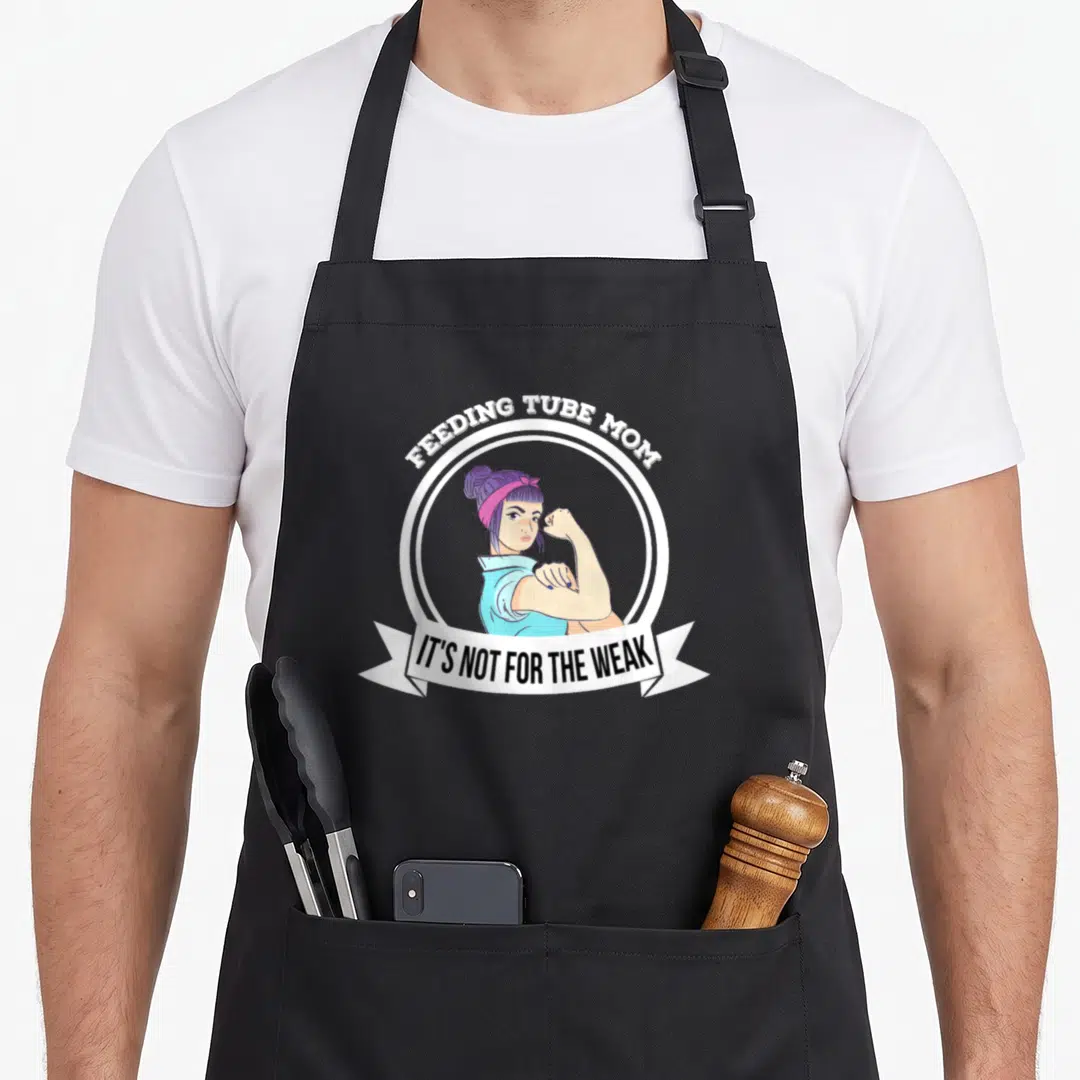
Inside this collection, you will find distinct designs tailored to specific caregiving realities. The feeding caregiver apron addresses the intimate nature of meal assistance, while the dementia caregiver apron speaks to the patience required for memory-related conditions. The autism caregiver apron highlights sensory considerations, and the storm caregiver apron represents resilience during crises. Additional designs like the Hodgkin and messy caregiver aprons further detail the unique aspects of these supportive roles.
Common questions
- Who is the ideal recipient for these themed aprons?
- These aprons are best suited for professional or family caregivers who want to express empathy and awareness for specific conditions. They make meaningful gifts for individuals who spend their days supporting others with medical or developmental needs, providing a subtle yet powerful statement of support.
- What conditions are represented in this set?
- The collection features designs dedicated to dementia, autism, Hodgkin’s disease, feeding assistance, general messiness, and crisis management. Each design targets a specific aspect of caregiving, allowing recipients to choose the one that most closely aligns with their daily responsibilities and personal experiences.
- How should I select the right design from this group?
- Choose a design based on the primary challenge your loved one faces. If memory loss is central, pick the dementia option. For sensory sensitivities, select the autism design. Consider the specific daily tasks involved, such as feeding or managing chaos, to find the symbol that resonates most deeply with your unique caregiving journey.