

Algebra
36 designs in this collection.
36 aprons












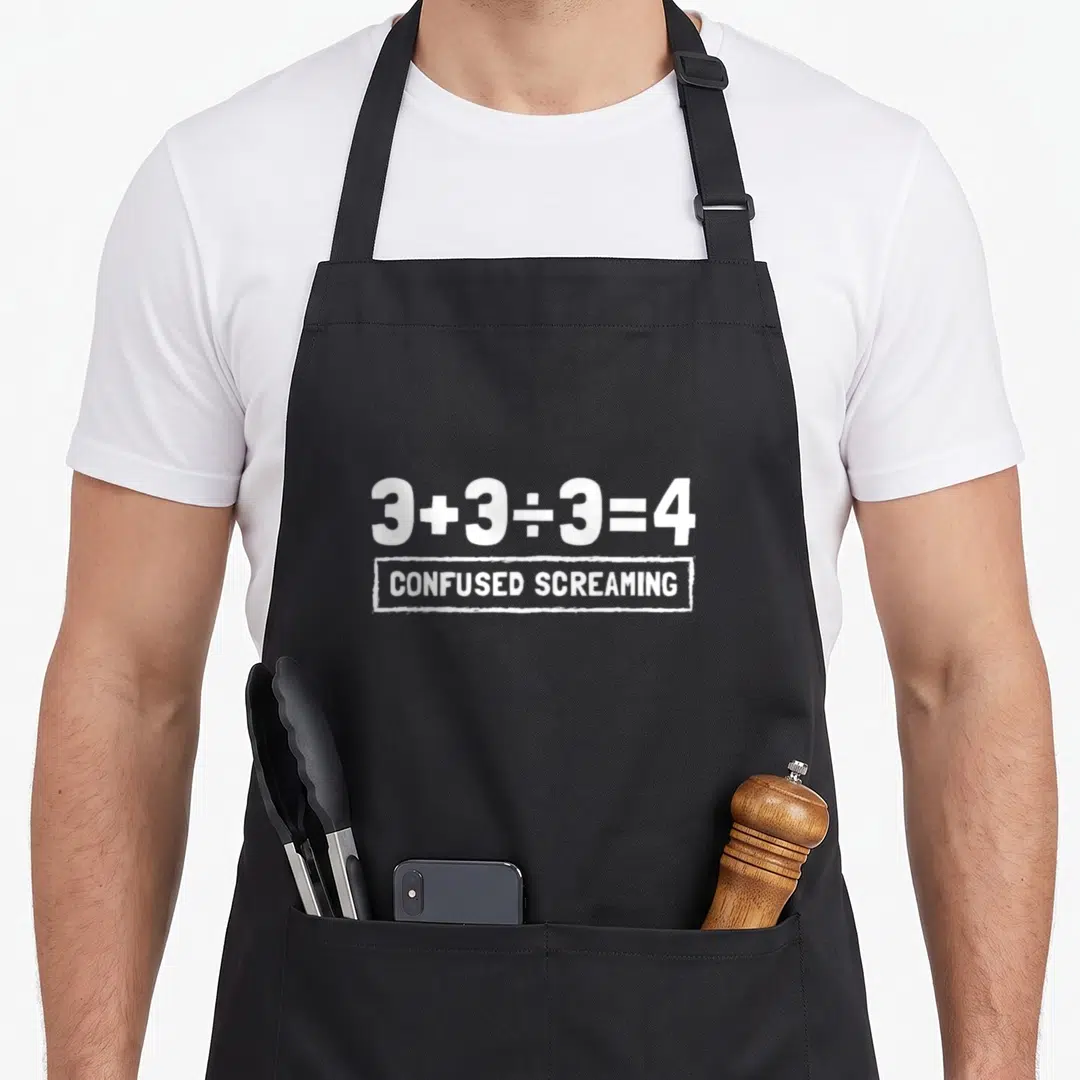


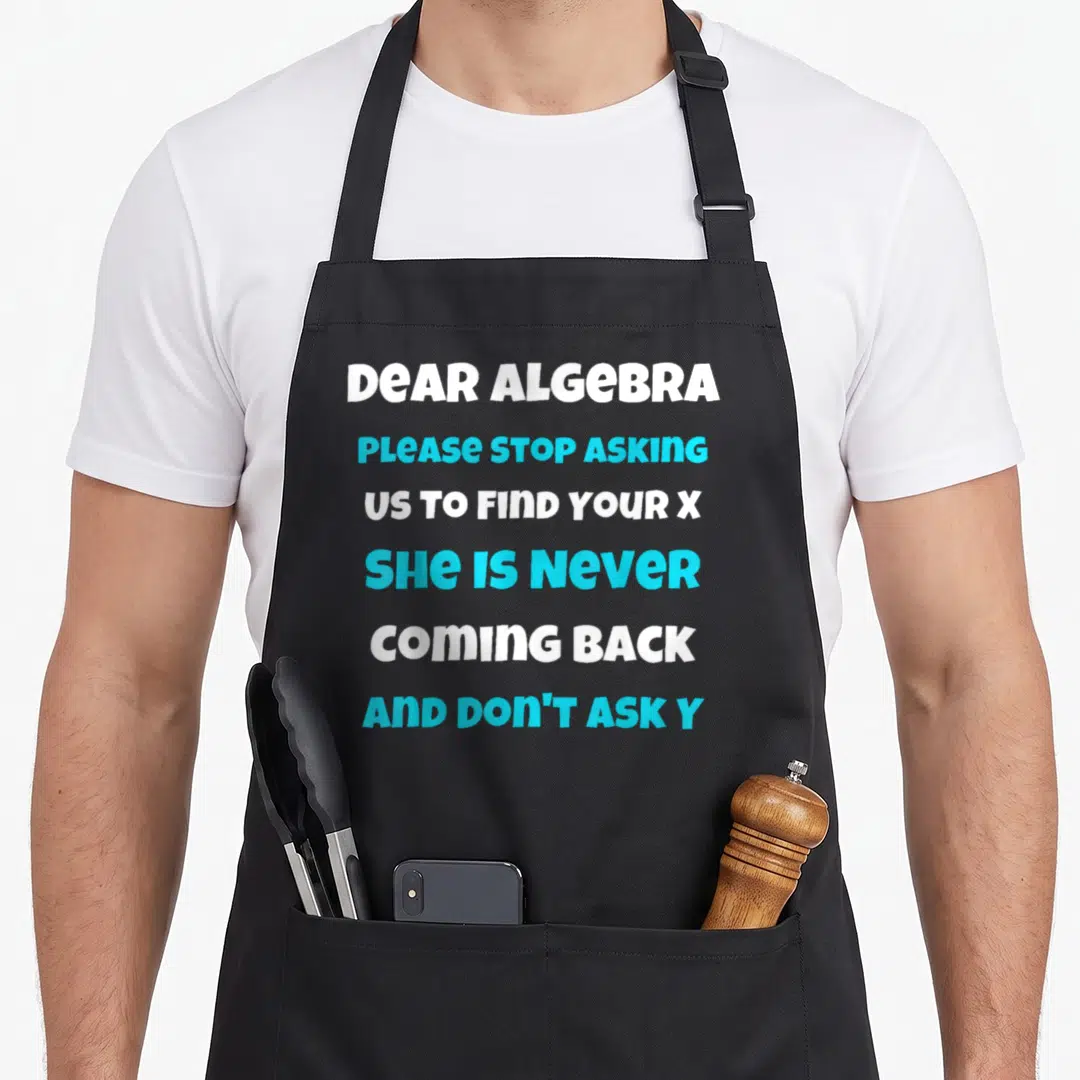

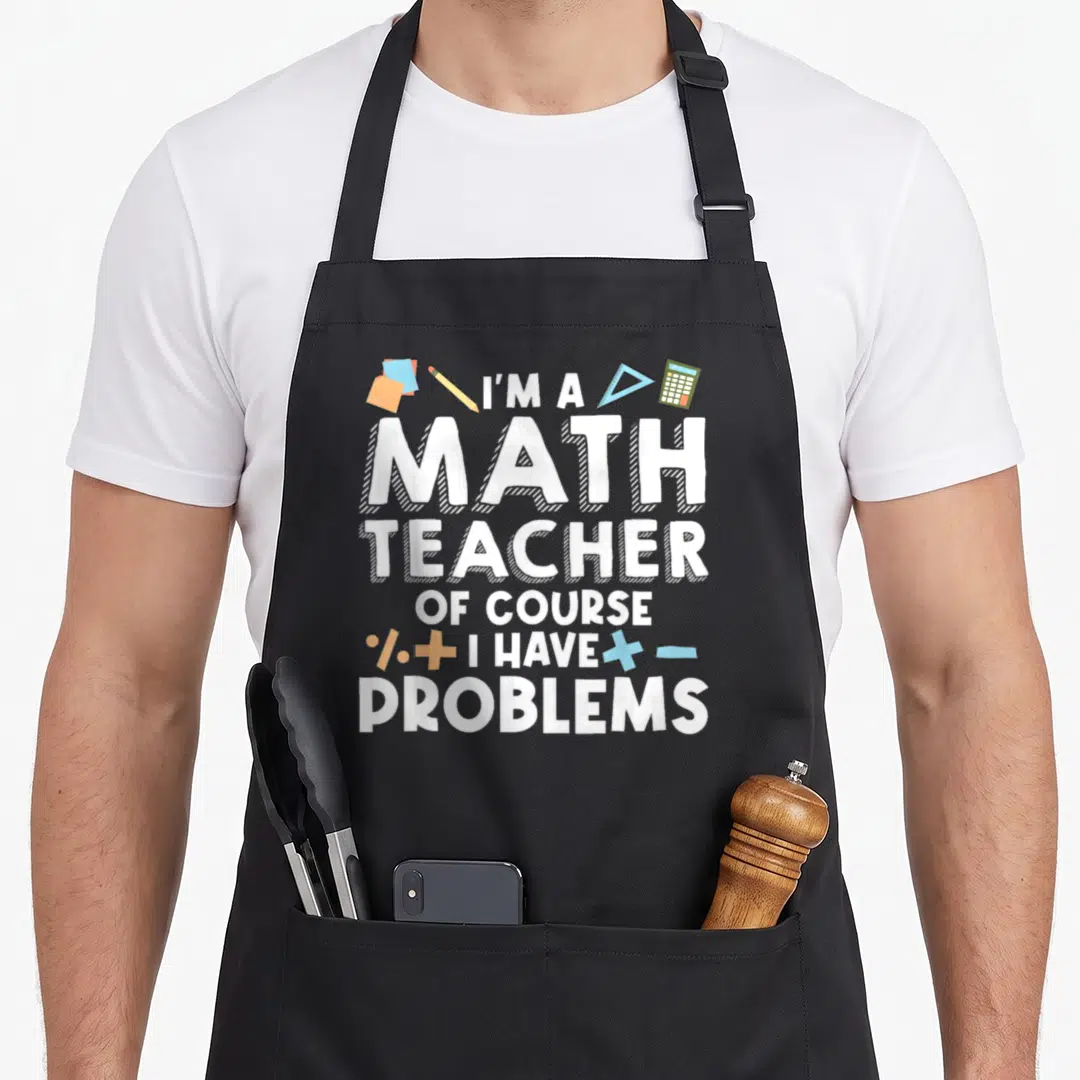


Who This Group Is For
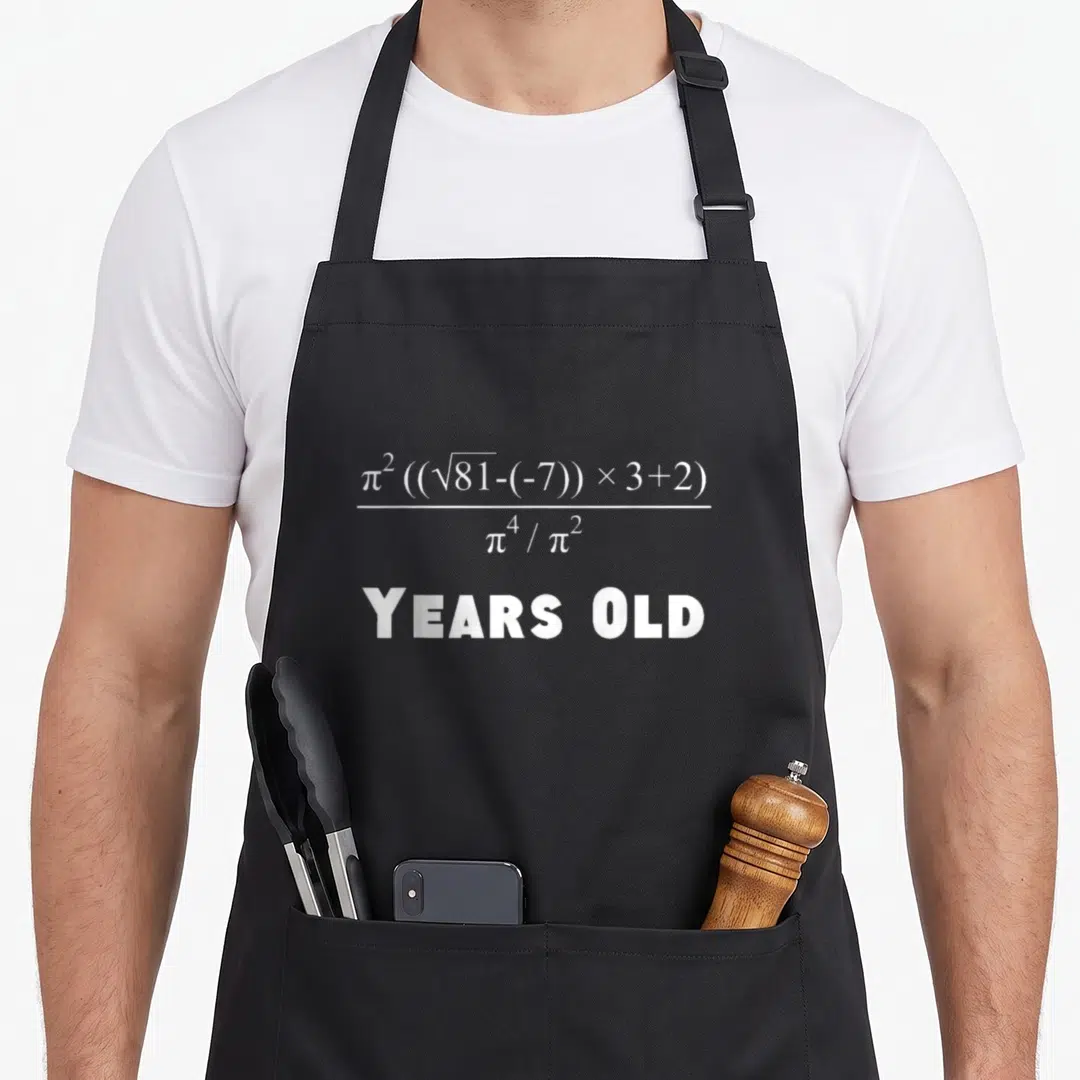
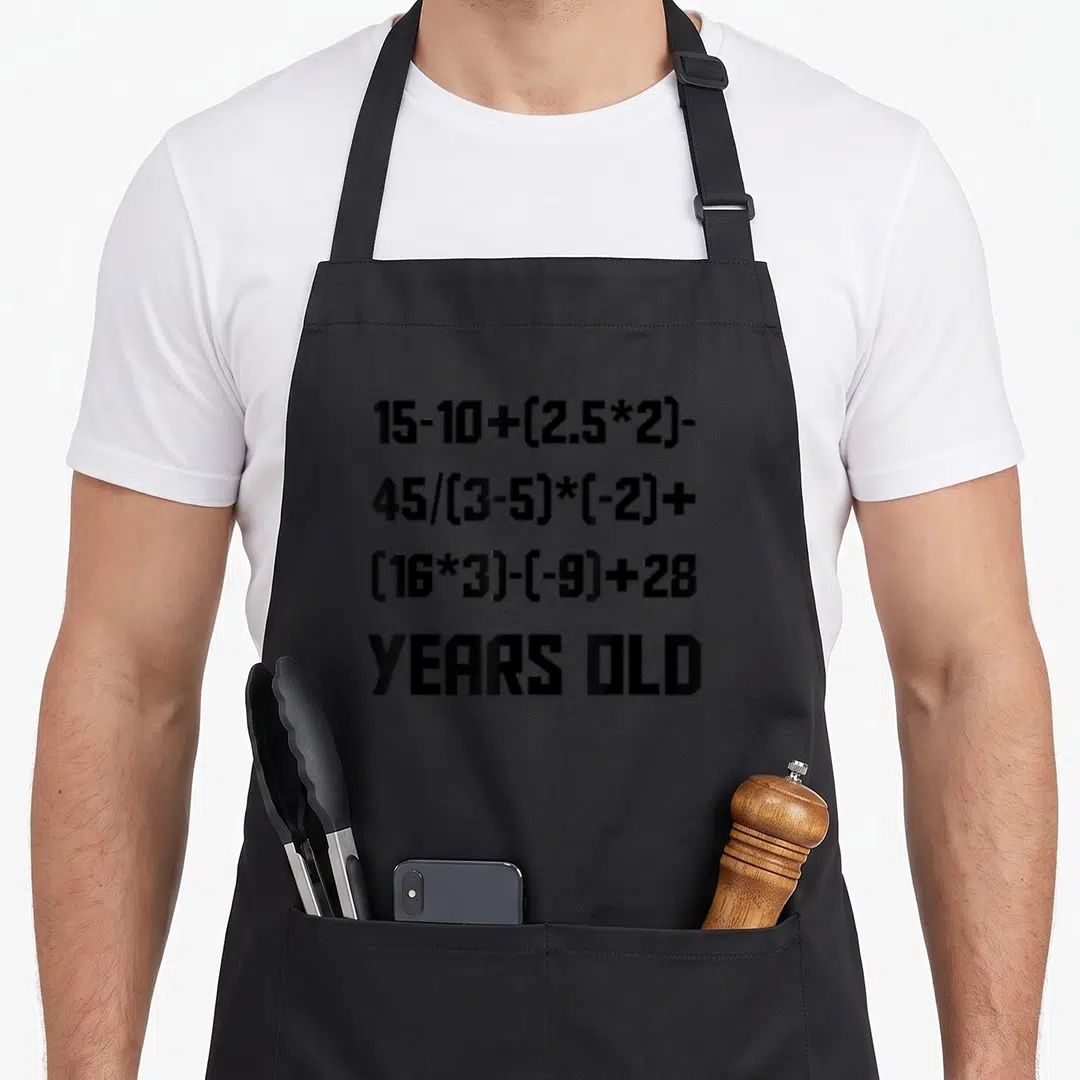
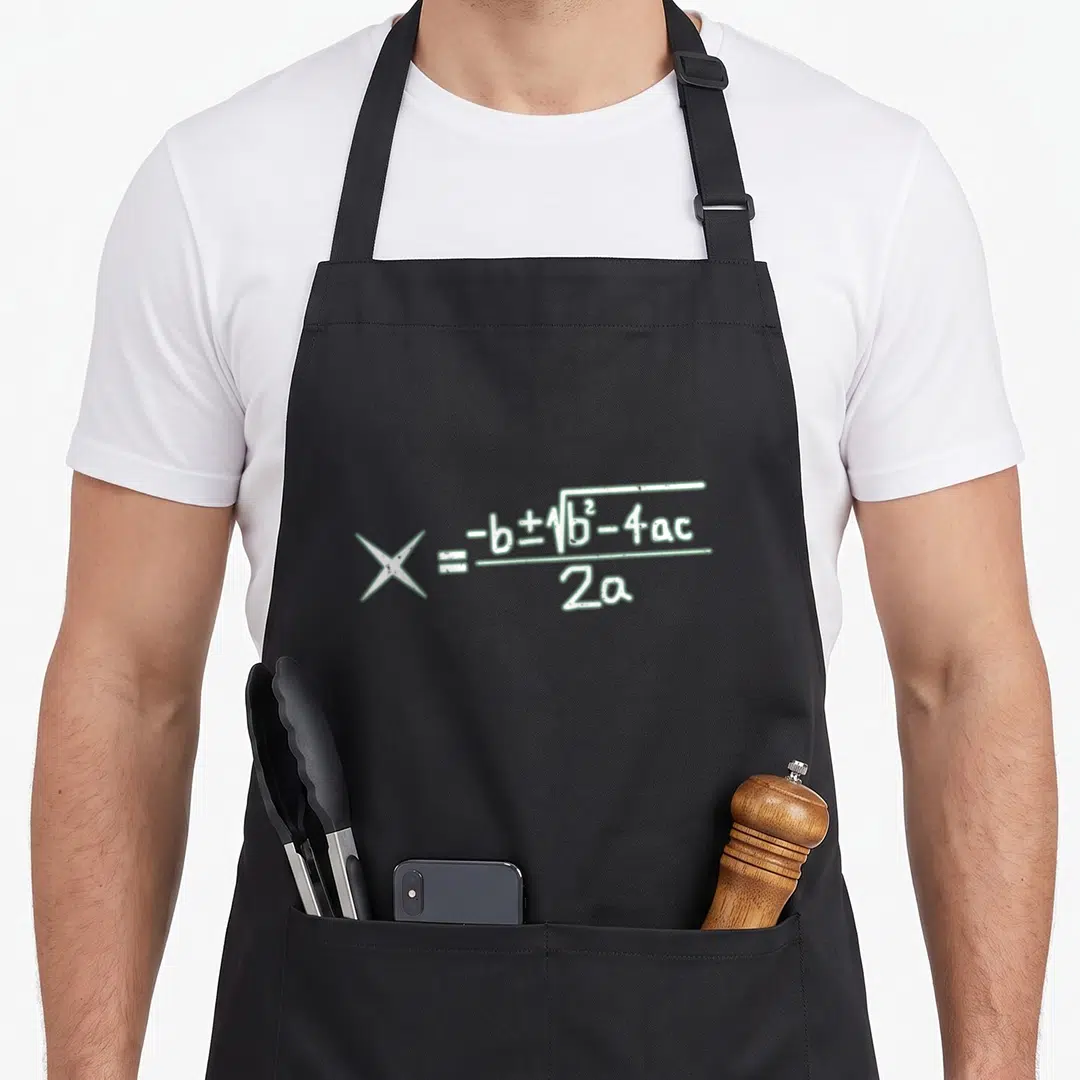
These algebra aprons appeal to high school teachers, college tutors, and anyone who finds comfort in the logic of variables. The collection serves individuals who spend their days balancing equations on whiteboards or grading complex polynomials. It is designed for those who view mathematical structure as a form of beauty rather than just a academic requirement. The wearer likely enjoys explaining the steps of solving for x to eager learners. This attire bridges the gap between professional instruction and personal passion for numerical problem-solving.
What Is Inside This Group
The designs feature specific visual representations of core mathematical concepts that resonate with the target audience. One design displays a perfectly balanced scale with variables on either side, symbolizing the fundamental principle of equality in every equation. Another illustration shows a graph of a parabola opening upwards, referencing quadratic functions and their vertex points. A third pattern includes a series of interconnected integral symbols, highlighting calculus foundations. Each graphic acts as a talking point about the underlying rules of arithmetic and geometry.
Common questions
- Who benefits most from these math-themed aprons?
- High school math teachers, university professors, and tutoring staff find these designs particularly relevant. Students studying advanced algebra also enjoy wearing them during study sessions. Anyone who appreciates the precision of scientific notation will feel at home in this collection.
- What specific mathematical concepts are featured in the prints?
- The collection highlights variables, balance scales, parabolic graphs, and integral symbols. These elements represent foundational algebraic principles like equality, quadratic functions, and calculus basics. The imagery focuses on clarity and logical structure rather than abstract art.
- How do I choose the right design for my role?
- Select the balanced scale if you teach basic equation solving. Choose the parabola graphic for classes focusing on quadratic functions. Opt for the integral pattern if your work involves higher-level calculus. Pick the one that matches your current teaching focus.