

Technician Squad
35 designs in this collection.
35 aprons















Who This Collection Is For
The technician squad apron serves as a badge of honor for dedicated healthcare workers and skilled tradespeople who find community in their daily routines. These designs celebrate the quiet professionalism of those who keep patients stable and facilities running, targeting individuals who value precision and care over flashy trends. Each garment speaks directly to the niche identity of staff members who prefer functional solidarity over broad generalizations.
What Is Inside This Collection
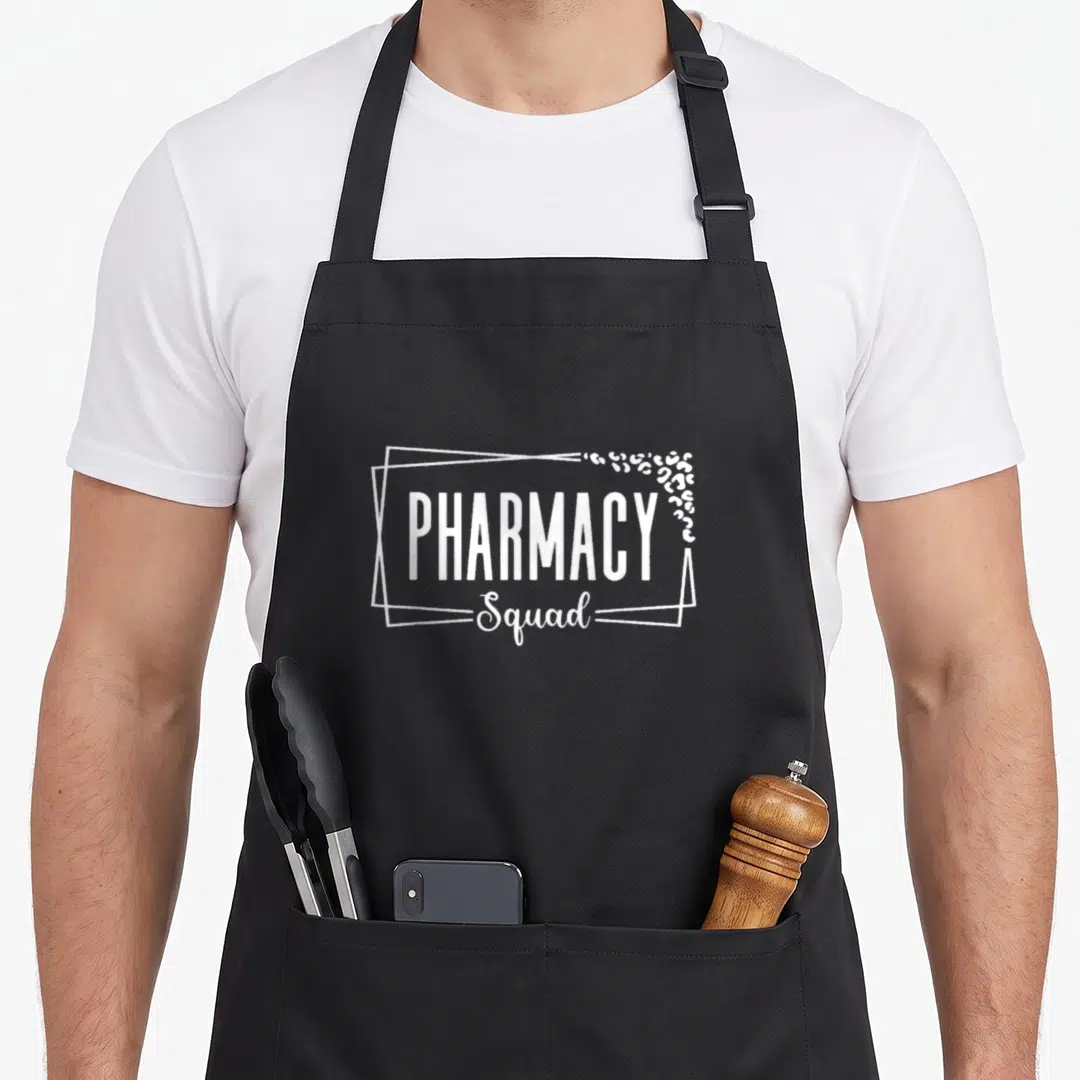
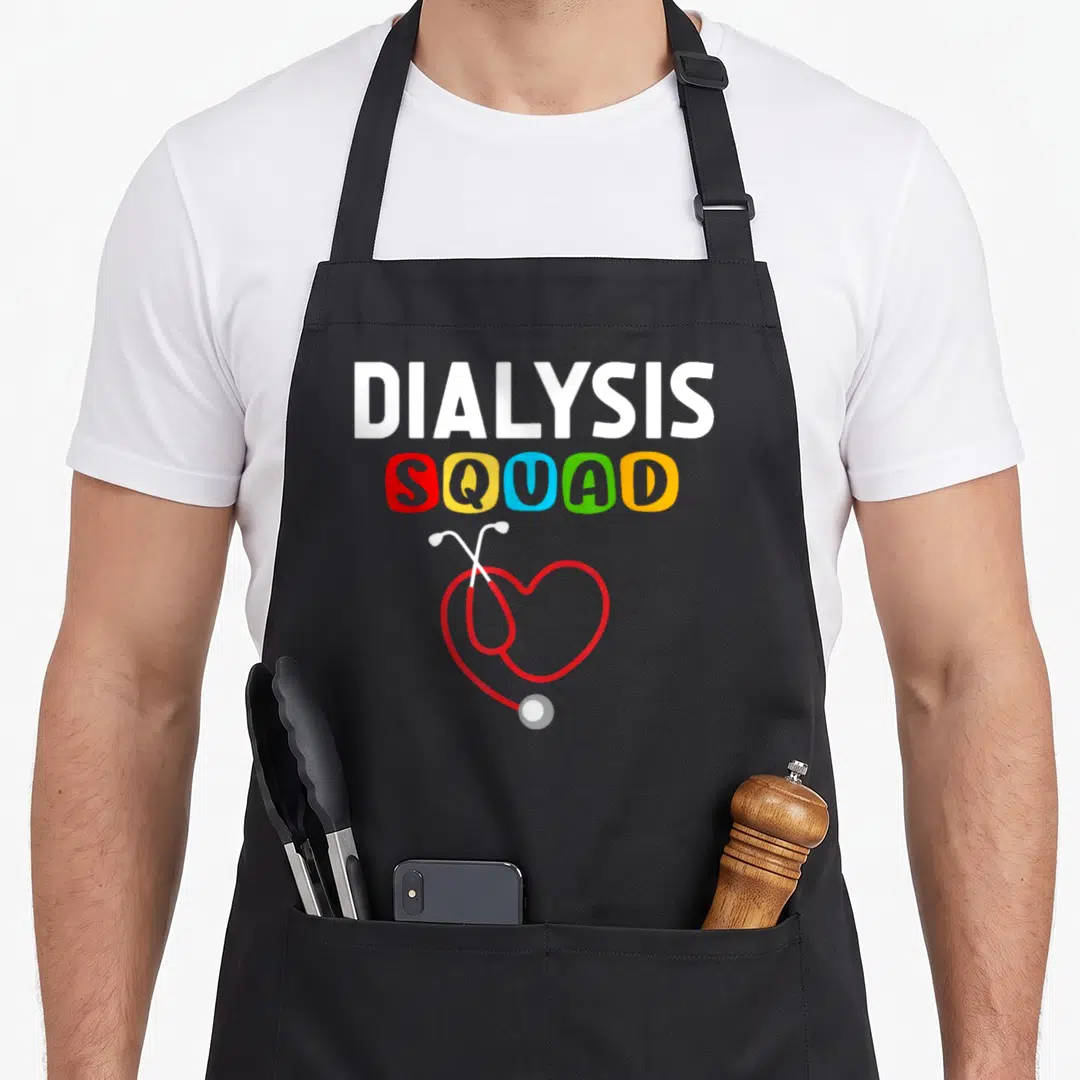
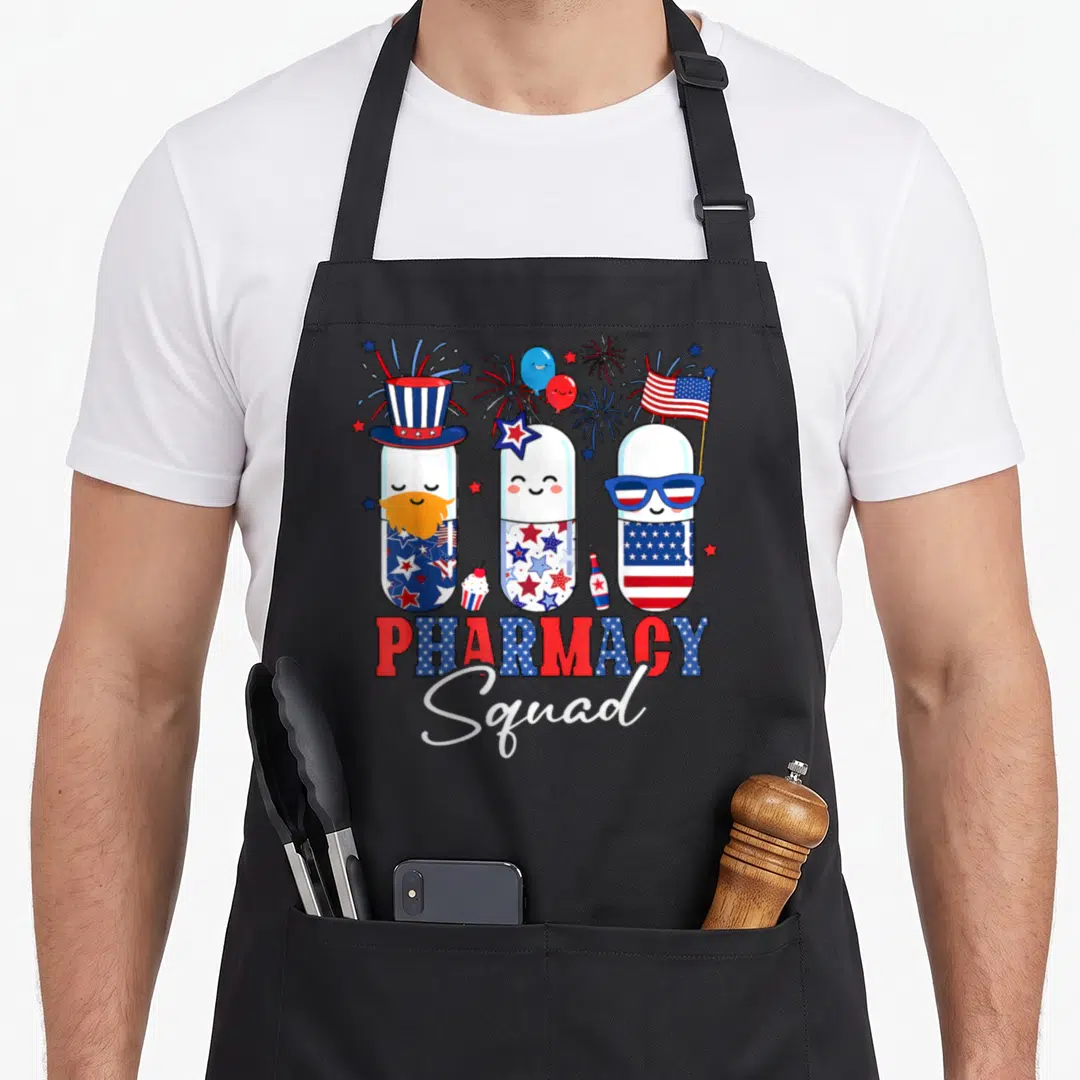
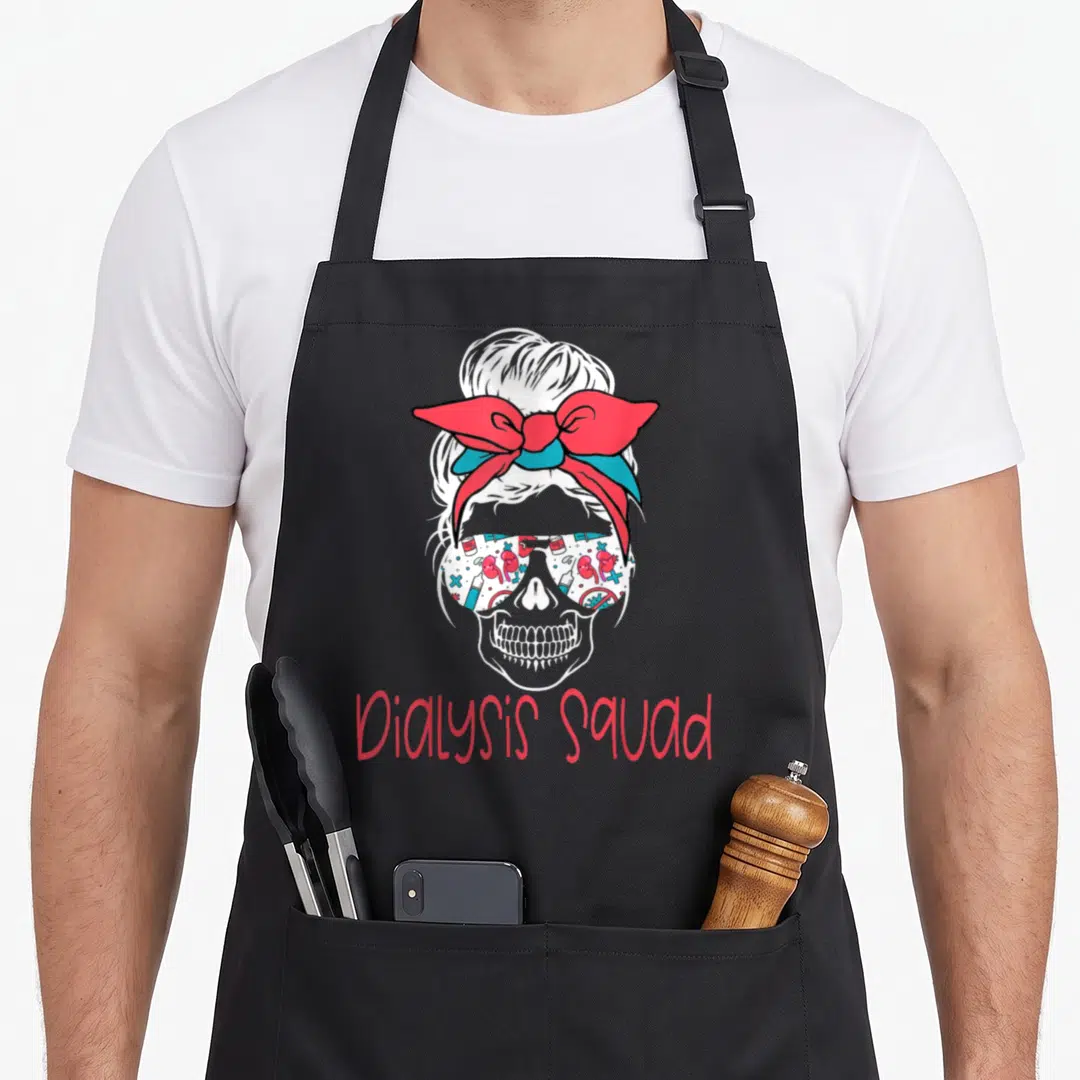
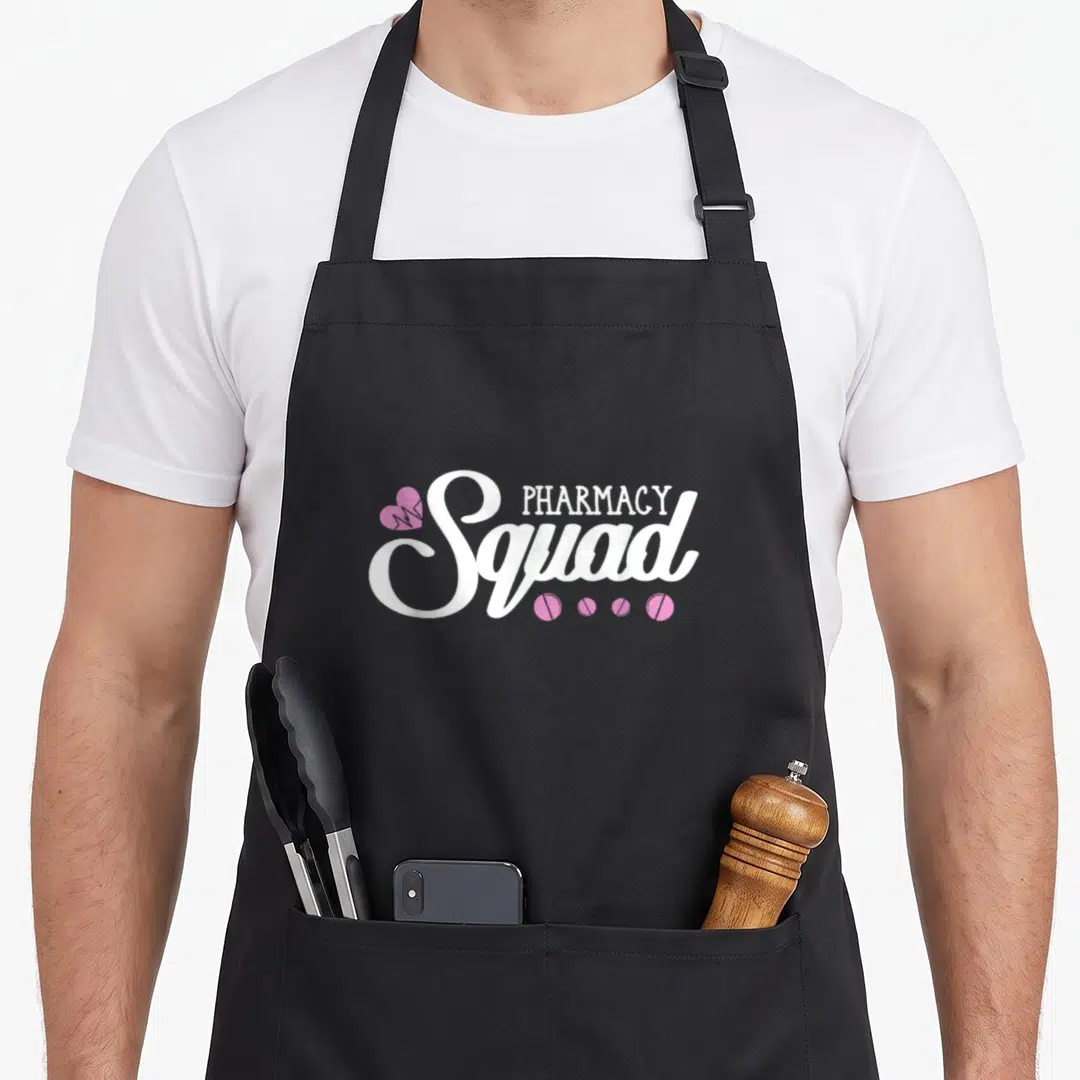
Inside this curated selection, you will find distinct prints that honor specific roles within the medical and service sectors. The kidney nurse apron highlights renal care dedication, while the pharmacy leopard print apron adds a bold flair to dispensing duties. Other options include the dialysis technician squad apron for continuous therapy specialists, the squad pharmacy apron for retail health experts, the access patient apron for vascular access nurses, the bomb k squad apron referencing emergency readiness, the urology nurse apron for pelvic health advocates, and the maintenance janitorial apron for facility upkeep heroes.
Common questions
- Who is this collection best suited for?
- This collection is ideal for nephrology nurses, dialysis technicians, pharmacy staff, urology nurses, and maintenance personnel who want to display pride in their specific clinical or trade environment through their daily work attire.
- What types of roles are represented here?
- The designs cover renal care, dialysis operations, pharmacy services, urology nursing, and janitorial maintenance. Each print targets a specific professional group within the broader healthcare and facility management sectors to ensure accurate representation.
- How do I choose the right design?
- Select the apron that matches your exact job title or department. If you work in renal care, choose the kidney nurse design. For pharmacy staff, the leopard print or squad pharmacy options offer the most relevant visual recognition among colleagues and patients.