

Tourette Awareness
36 designs in this collection.
36 aprons


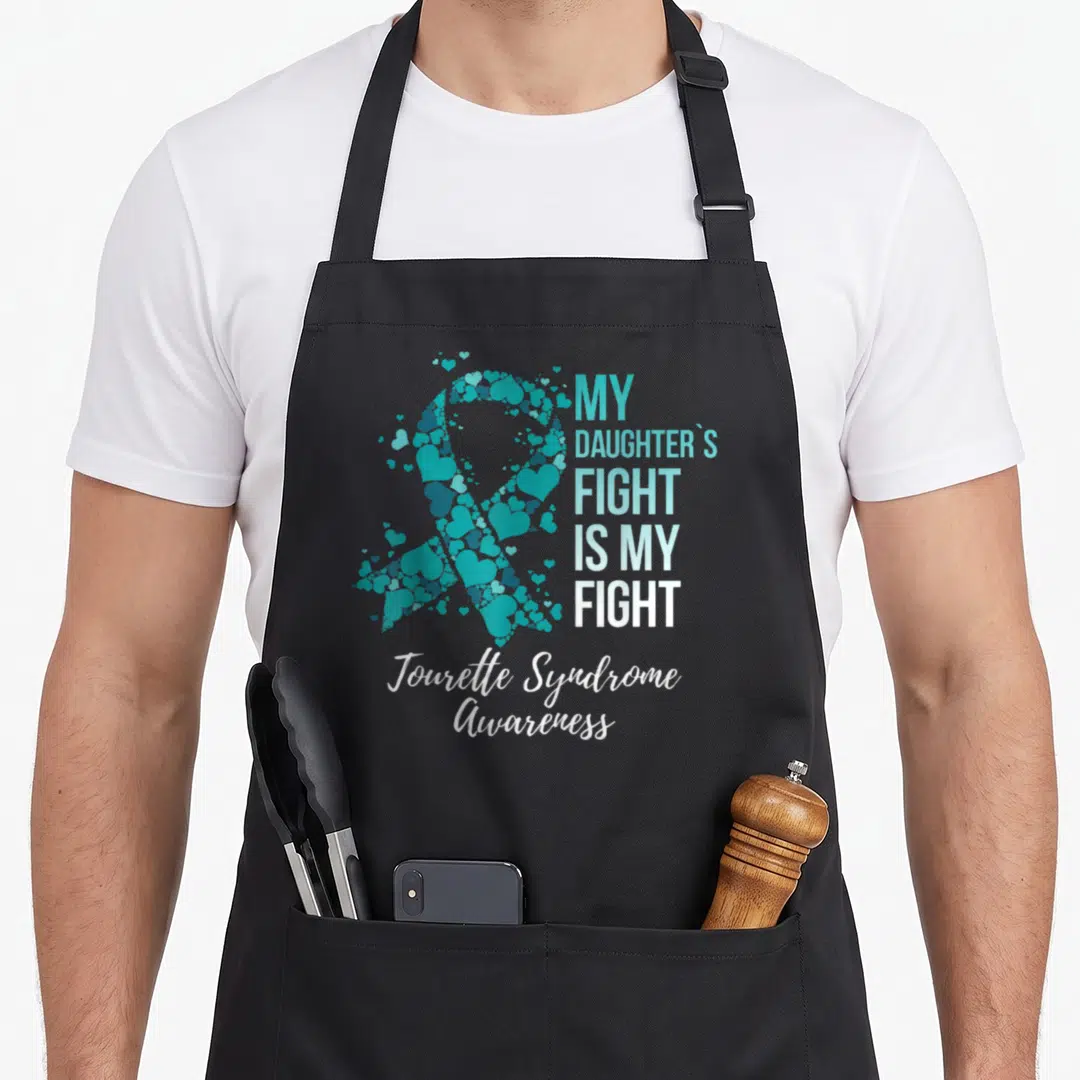


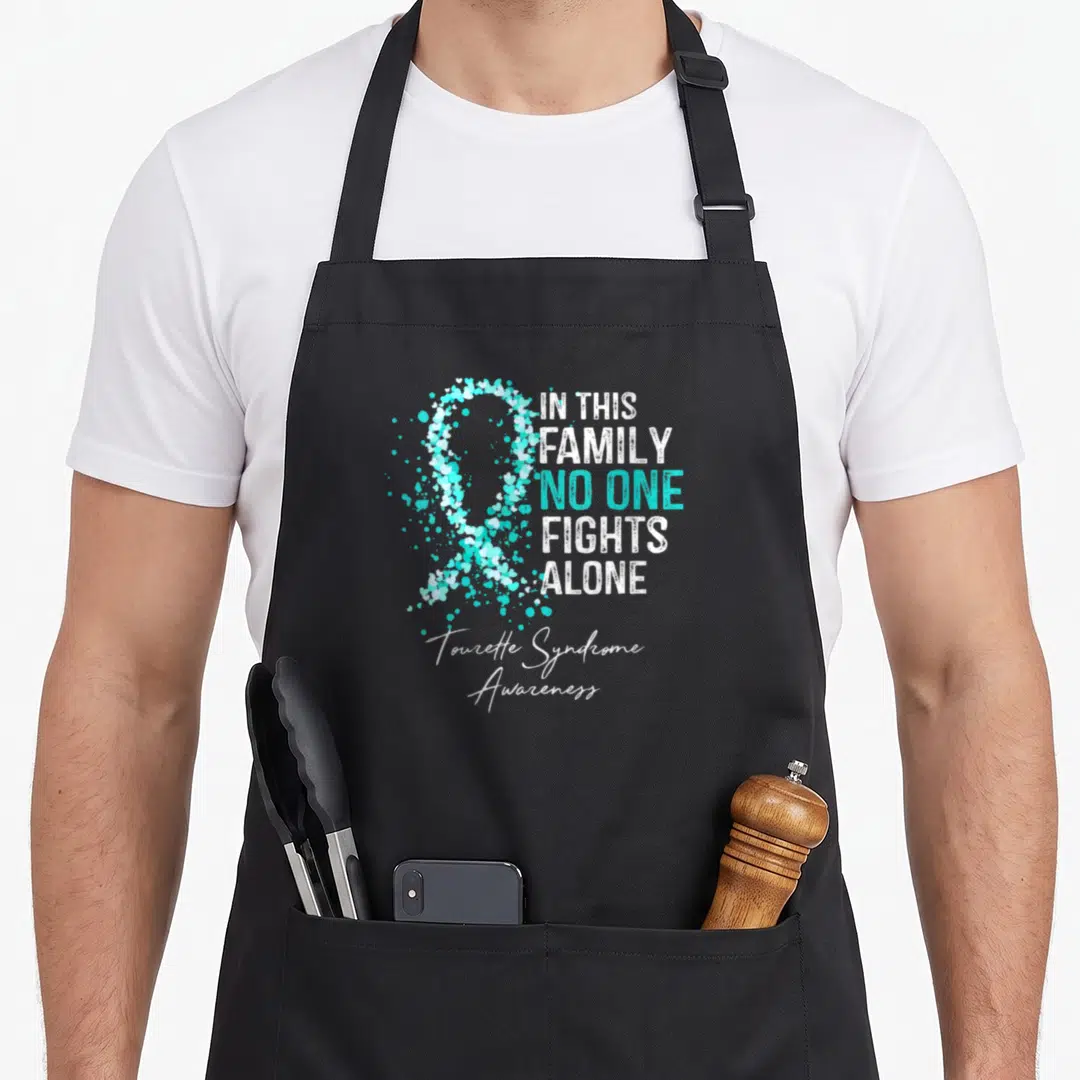
Tourette Family Aprons Featuring
US$19.95


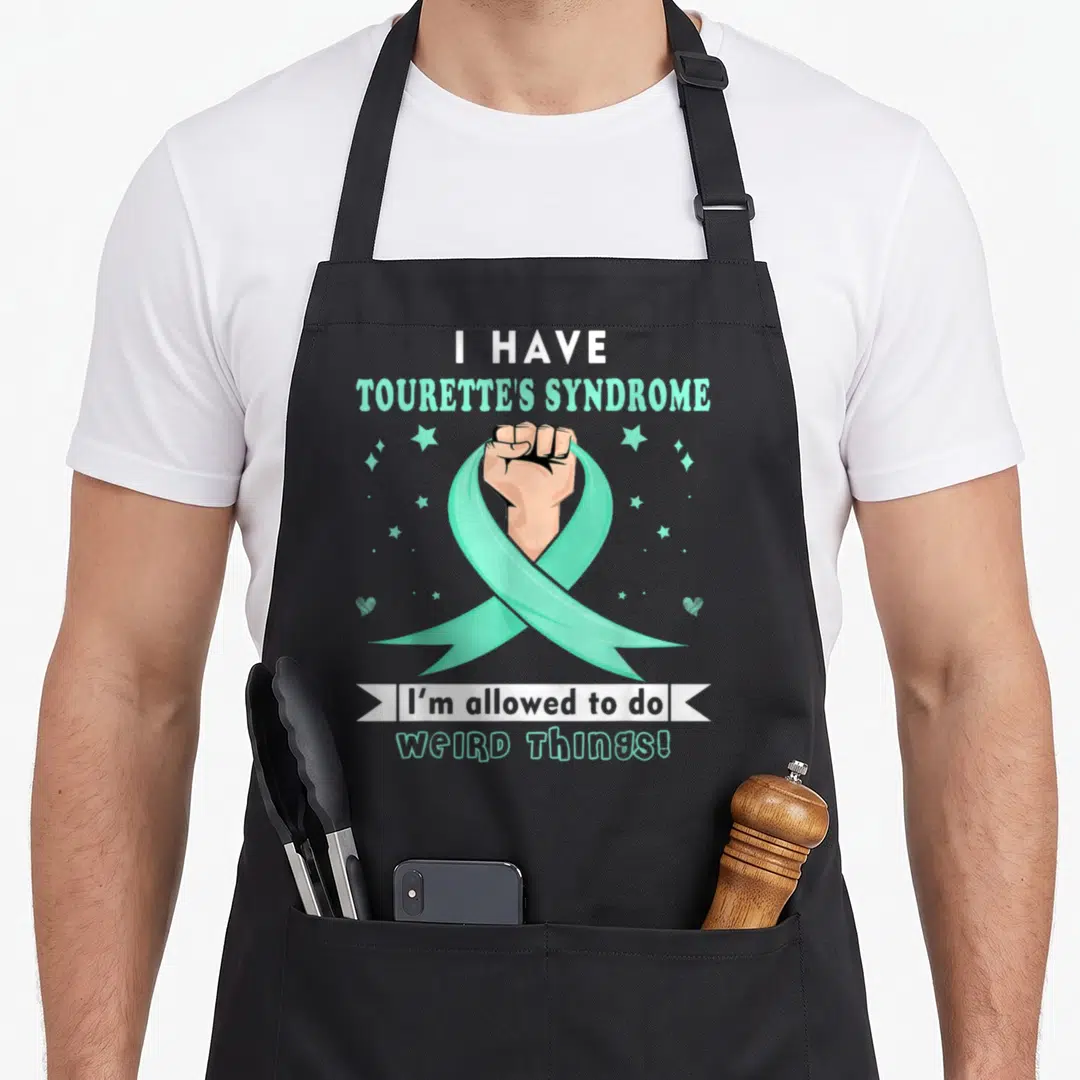


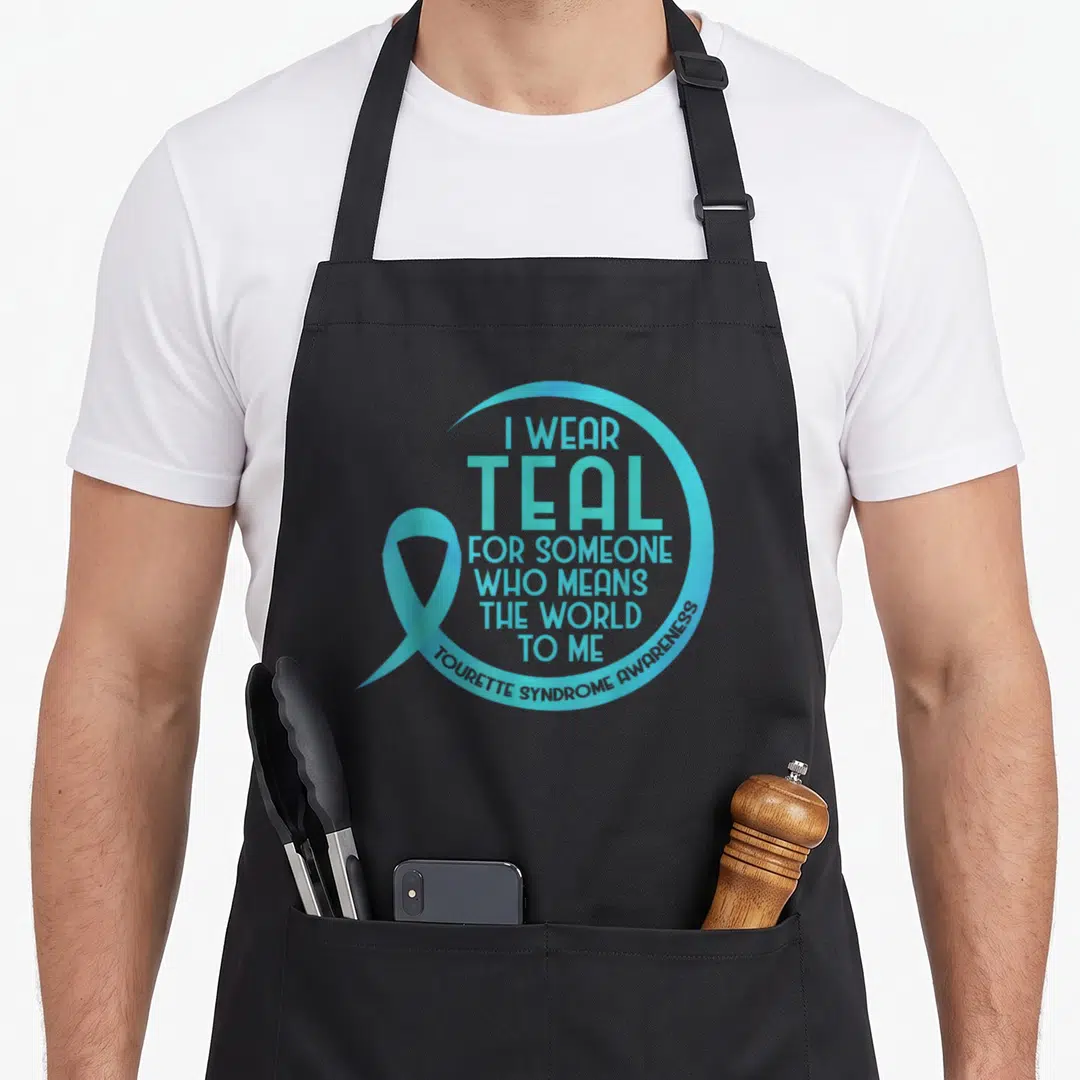






Who This Collection Is For
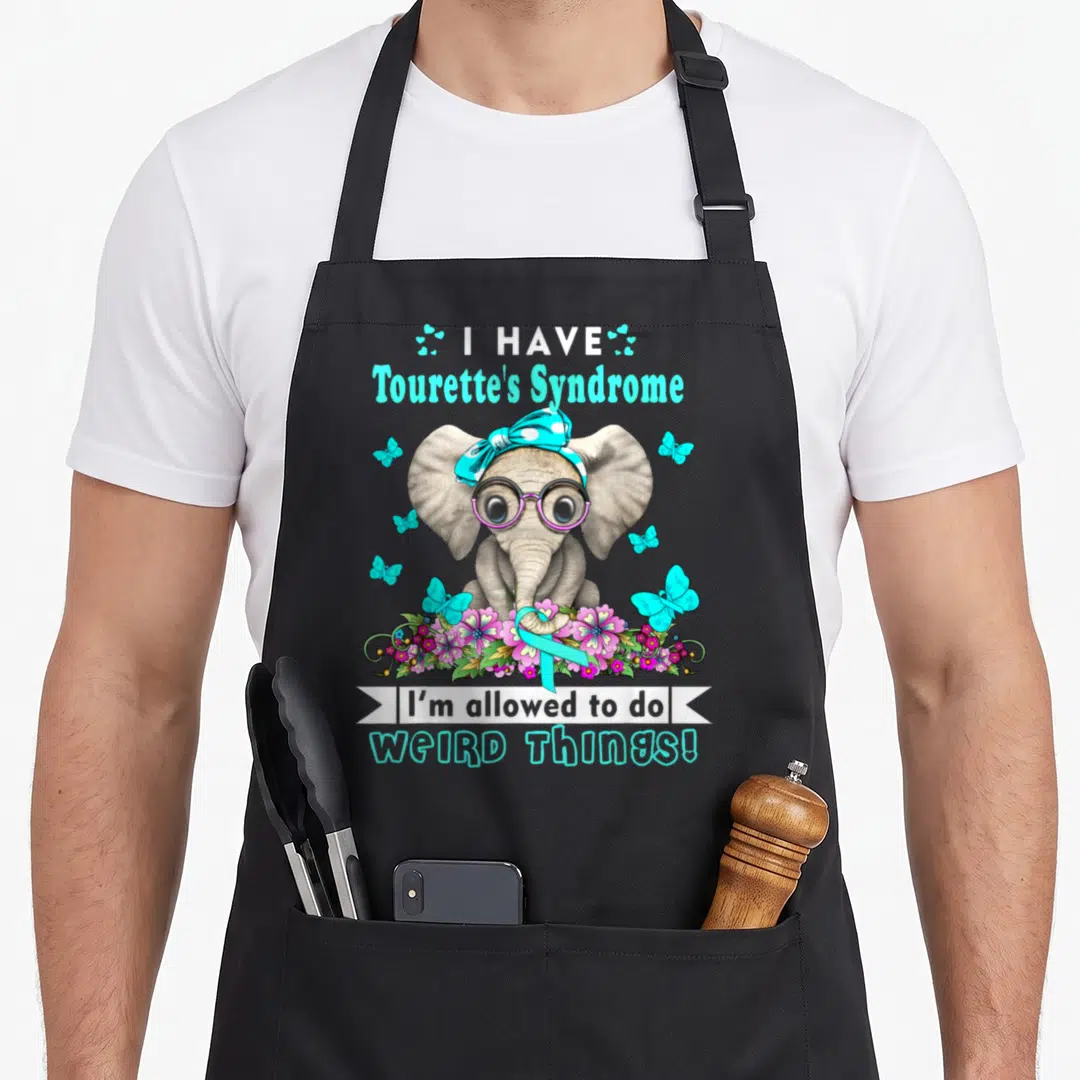
The tourette awareness apron serves as a daily talking point for those who wish to normalize tics and support the community. It is designed for individuals who identify with the syndrome, as well as allies, parents, and educators seeking to foster understanding in everyday environments. The imagery speaks directly to those navigating life with Tourette’s, offering a subtle yet powerful statement of pride and resilience without words.
What Is Inside This Collection
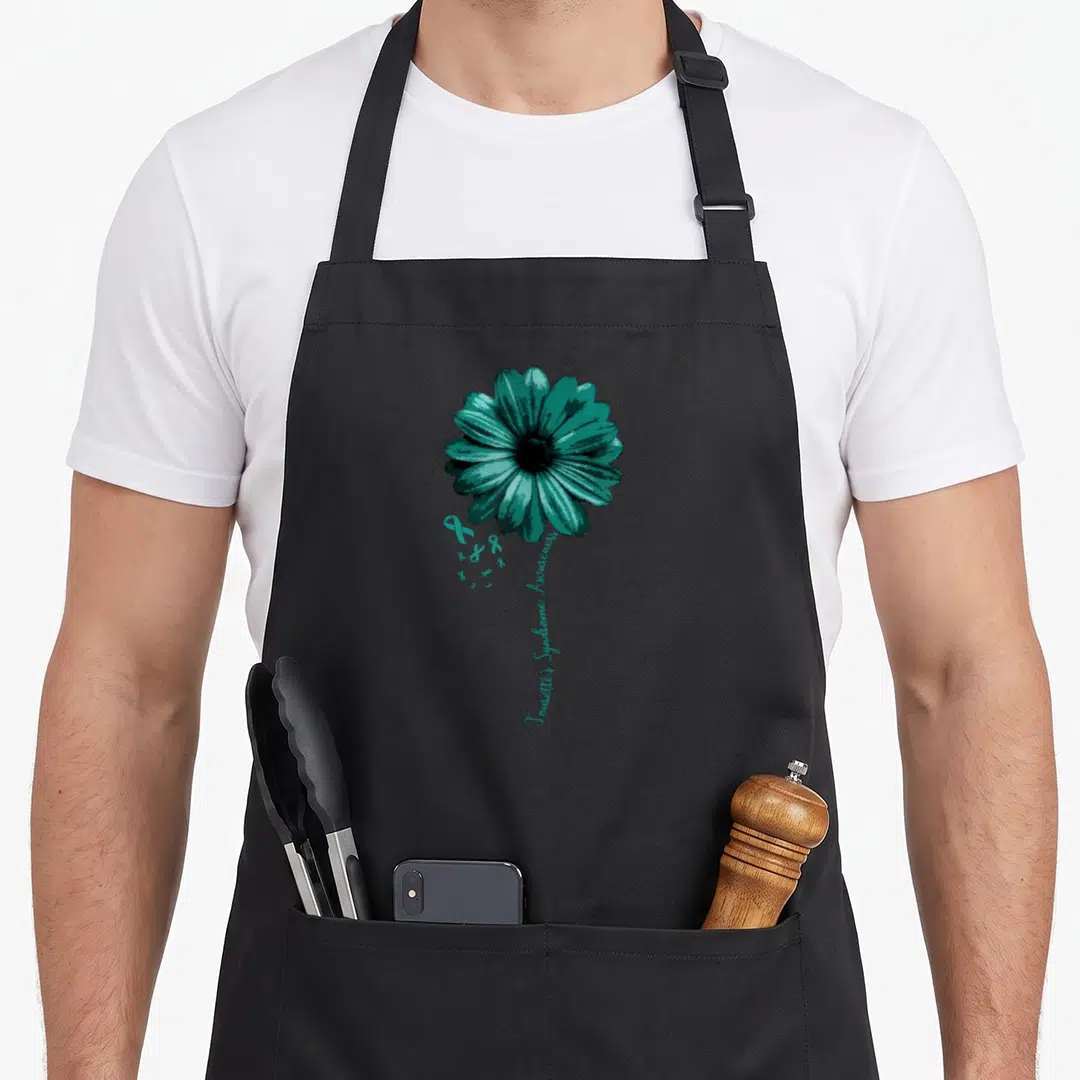
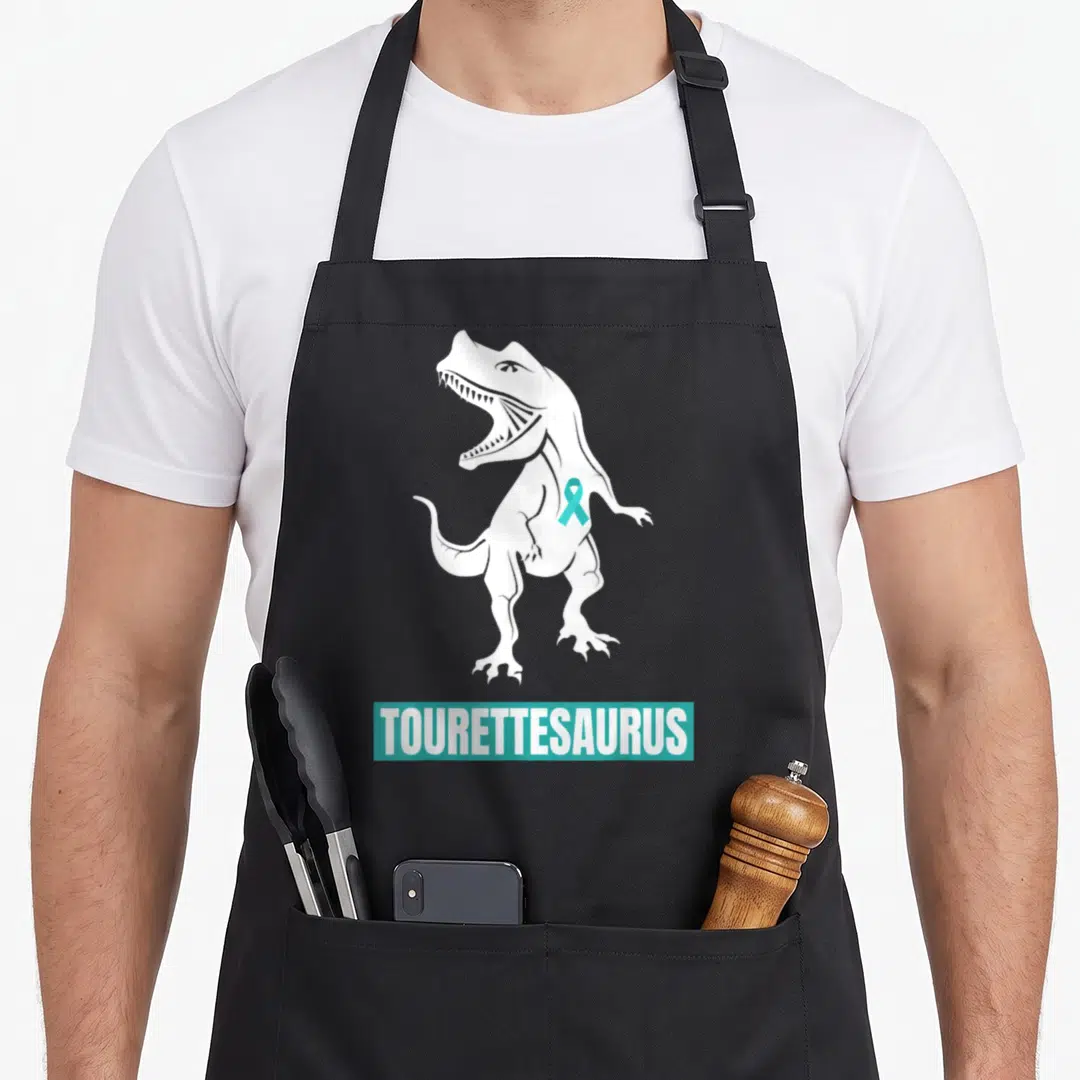
Inside this collection, the brain salute apron depicts a hand gesture over a stylized mind, symbolizing mental strength and self-acceptance. The tourette ribbon apron features the recognized awareness ribbon, representing solidarity and ongoing advocacy efforts. The funny syndrome tourette awareness apron adds humor to reduce stigma, while the tourette mama bear apron highlights the fierce protective love of mothers raising children with the condition.
Common questions
- Who should buy these designs?
- These aprons suit individuals with Tourette Syndrome, their families, and supportive friends or educators who want to promote visibility and acceptance. They are ideal for anyone looking to spark meaningful conversations about neurodiversity and show solidarity with the community through thoughtful, expressive apparel choices.
- What themes do the aprons cover?
- The designs focus on empowerment, maternal protection, and lighthearted humor regarding the syndrome. Key themes include the brain salute for mental strength, the ribbon for advocacy, and the mama bear motif for parental love, all aiming to destigmatize tics and celebrate unique neurological experiences through creative visual storytelling.
- How to pick one?
- Choose based on your personal connection to the message. Select the brain salute for self-empowerment, the ribbon for general support, or the mama bear design if you are a parent advocating for your child. Consider whether you prefer serious advocacy symbols or lighter, humorous approaches to engaging others in dialogue.