
Puerto
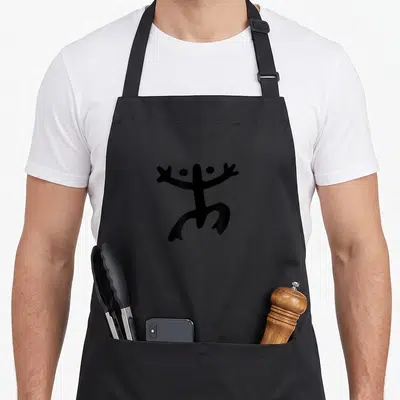
Coqui Albarino Apron Features a White Typography Map
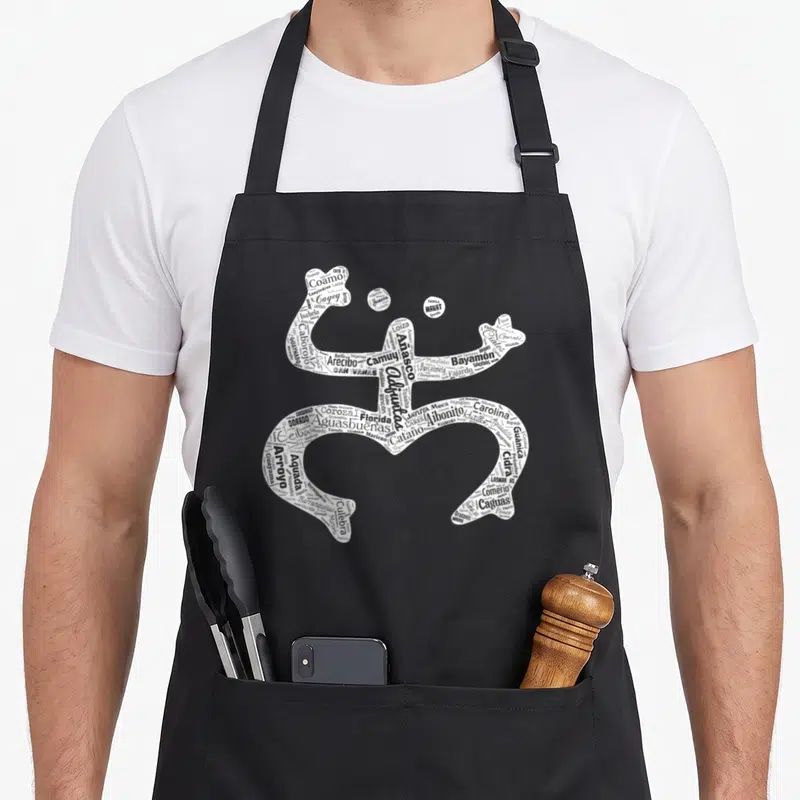
Coqui albarino apron - White coqui frog shape made of Puerto Rican town names like Ponce Bayamon and Caguas
US$19.95
Flat US$4.95 US shipping · free over US$65.00 · sales tax is calculated from your shipping address at checkout.
1
US$19.95
Delivery to United States
Arrives —
Orders ship within the United States only. Flat US$4.95 shipping under US$65.00 — free from US$65.00.
Returns
Request a return or exchange within 30 days of purchase, for any reason — we cover return shipping.
Printed to order
Every apron is printed after you order it. Please allow 1-3 business days for processing before it leaves the print shop.
Coqui Albarino Apron Features a White Typography Map is printed on a black canvas apron — one size, made to order and shipped within the United States.
coqui albarino apron puts a white word cloud in the shape of a coquí frog across the front, with printed town names like Ponce and Bayamón filling the silhouette. The design uses typography to represent the island's geography without humor or slogans. Wearing it signals a connection to Puerto Rican heritage and community. Those who grew up on the island or have deep roots there recognize every name as home.
Inside the Artwork
The coquí frog shape emerges from a dense cluster of white town names including Coamo, Loiza, Cayey, Isabela, Moca, Arecibo, Caguas, Quenanabo, Caboruco, Hatillo, Vegabaja, Camuy, Gan, Iwanas, Anasco, Manati, Mounabo, Barceloneta, Fajardo, Bayamon, Gurabo, Yabucoa, Carolina, Aguadilla, Guánica, Citra, Ponce, Orocovis, Comerio, Barranquitas, Culebra, Florida, Aguasbuenas, Utuado, Maricao, Catano, Aibonito, Mayagüez, Dorado, Corozal, Arroyo, Guayama, and Hormigueros. These labels follow the exact contours of the amphibian figure, with larger fonts anchoring major regions and smaller ones filling gaps between limbs and head. No illustrations, flags, or icons appear—only text arranged to mirror the coquí’s posture, legs bent, body compact, eyes implied by spacing. The result is a cartographic portrait that reads as both map and mascot, celebrating place through language alone.
Who It Speaks To
This apron resonates with cooks, crafters, and families who view food preparation as cultural transmission. It suits festive meals, holiday gatherings, or routine kitchen work where identity and utility intersect. A coqui albarino apron becomes part of the ritual, worn not just for protection but as quiet assertion of origin. For those tracing lineage to specific towns listed in the print, each name personalizes the garment, turning generic kitchenwear into something deeply individual and emotionally grounded.
Quick Answers
What are the pocket dimensions and how do they affect storage capacity? The two front pockets measure exactly 8 inches by 7 inches each and are split vertically down the center, allowing separate compartments for small tools or folded cloths without bulk. This configuration prevents items from sliding together and keeps essentials accessible during active use while preserving the apron’s clean lines.
How does the white ink hold up after repeated washing cycles? The white ink remains crisp and fully visible after multiple washes because it is applied directly to the 10 oz cotton canvas surface, which absorbs and locks pigment effectively. The fabric’s density minimizes fading, and the absence of complex gradients or fine halftones reduces wear points common in detailed prints.
Why does this design focus solely on town names rather than symbols or flags? The exclusion of traditional emblems shifts emphasis from national iconography to lived experience, honoring specific communities over abstract patriotism. By mapping the coquí with actual place names like Ponce, Bayamón, and Mayagüez, the design grounds cultural pride in tangible geography, appealing to those who identify with particular neighborhoods or ancestral towns rather than generalized symbols.
Every apron is printed after you order it. Orders are processed Monday through Friday, excluding federal holidays — please allow 1-3 business days for order processing. After processing, shipping typically takes 3-7 business days inside the United States, so the total delivery time from order placement is 4-10 business days.
US orders under US$65.00 pay a flat US$4.95 shipping; orders of US$65.00 or more ship free. Bearhap ships within the United States only — we do not ship to international addresses.
You may request a return or exchange within 30 days of the purchase date, for any reason. The apron must be unopened, unused and in its original packaging, with proof of purchase. We refund the item price in full to the original payment method — the original US$4.95 shipping fee is not refundable — and Bearhap covers all return shipping costs: email contact@bearhap.com for a free return label.
Care
Machine wash cold, inside out, with like colours. Tumble dry low or hang to dry. Do not iron directly over the print — press from the back if you need to. No bleach, no dry cleaning.
The ink is water-based and cures into the fabric, so it will soften with the canvas rather than peel off it.
Questions about Puerto aprons
- Who is the primary audience for these designs?
- These aprons are ideal for individuals who want to display their Puerto Rican pride in everyday settings. They suit both locals and those abroad who cherish their heritage, providing a smart way to connect with family history and cultural identity through wearable art that sparks conversation.
- What specific themes are featured in this set?
- The range includes tributes to Taino ancestry, Nuyorican poetry, and local symbols like frogs. These elements reflect diverse aspects of Puerto Rican life, from indigenous roots to urban literary movements, ensuring there is a design that speaks to different generations and personal interests within the broader community.
- How should I choose the right design for my needs?
- Consider whether you prefer to highlight historical roots through Taino imagery or modern cultural contributions via poetry. Those drawn to nature might select the frog motifs, while others may find resonance in the bold statements of identity found in the Rico Rican styles, matching their personal story to the visual narrative.
You might also like
More puerto
- coqui puerto apron
- coqui ricotta apron
- coqui taino puerto apron
- puerto frog aprons
- coqui tree frog apron
- rican frog aprons
- coqui frog aprons
- rican puerto rico apron