

Aerospace Engineering
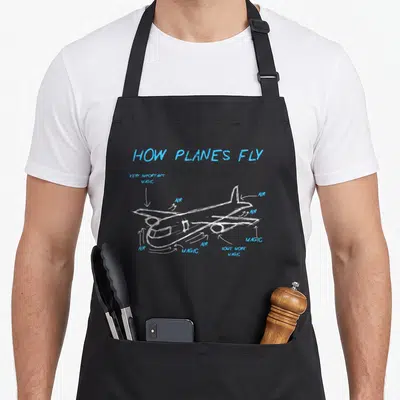
Engineer Engineering Apron Featuring White Airplane Diagram
Engineer engineering apron - White airplane diagram and hydraulic schematic with text on black apron
US$19.95
Flat US$4.95 US shipping · free over US$65.00 · sales tax is calculated from your shipping address at checkout.
1
US$19.95
Delivery to United States
Arrives —
Orders ship within the United States only. Flat US$4.95 shipping under US$65.00 — free from US$65.00.
Returns
Request a return or exchange within 30 days of purchase, for any reason — we cover return shipping.
Printed to order
Every apron is printed after you order it. Please allow 1-3 business days for processing before it leaves the print shop.
Engineer Engineering Apron Featuring White Airplane Diagram is printed on a black canvas apron — one size, made to order and shipped within the United States.
The phrase engineer engineering apron puts the words WHAT PART OF DON'T YOU UNDERSTAND across the front, framing a white line-art airplane diagram and technical schematic. The sarcasm reads as a demand for basic comprehension of complex systems. Wearing it signals that you speak the language of schematics fluently. This design was made specifically for aerospace engineers, avionics technicians, and aviation students who understand patent drawings.
The Graphic, Piece By Piece
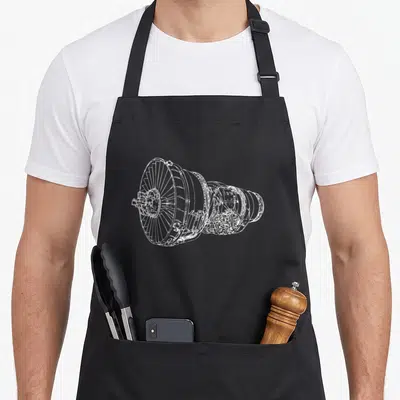
A central cluster on the black fabric features a side-profile line drawing of a passenger aircraft alongside a dense hydraulic schematic labeled with reference numbers like 104 and 142. The text is split, with one line above and one line below this central illustration to create a balanced frame around the artwork. The lettering uses a bold, sans-serif font that contrasts sharply with the fine detail of the engineering drawing. This layout mimics a patent application or technical manual, reinforcing the specific trade context of aerospace mechanics.
Days You Would Grab It
This black bib apron serves as a uniform for those working in aviation maintenance or studying aeronautics. It acts as a humorous gift for pilots, aerospace geeks, or anyone who finds themselves explaining complex hydraulics repeatedly. You would grab it during lab work or shop tasks when you need to protect your clothes while displaying your professional expertise and dry wit.
Before Buying
What are the strap measurements? The adjustable neck strap ranges from 20 to 30 inches to accommodate different body sizes. This generous cut ensures the apron fits most adults comfortably without being too tight or loose during movement. Will the ink survive washes? The white print is durable enough for standard cleaning routines because it sits on top of the heavy black cotton fabric. High contrast prevents fading issues common in lighter colors, keeping the schematic legible over time. Does the design match a specific document? Yes, the artwork replicates the style of an aircraft patent drawing rather than a generic clip art image. The inclusion of specific numbered callouts and hydraulic block diagrams distinguishes this item from other aviation-themed apparel.
Every apron is printed after you order it. Orders are processed Monday through Friday, excluding federal holidays — please allow 1-3 business days for order processing. After processing, shipping typically takes 3-7 business days inside the United States, so the total delivery time from order placement is 4-10 business days.
US orders under US$65.00 pay a flat US$4.95 shipping; orders of US$65.00 or more ship free. Bearhap ships within the United States only — we do not ship to international addresses.
You may request a return or exchange within 30 days of the purchase date, for any reason. The apron must be unopened, unused and in its original packaging, with proof of purchase. We refund the item price in full to the original payment method — the original US$4.95 shipping fee is not refundable — and Bearhap covers all return shipping costs: email contact@bearhap.com for a free return label.
Care
Machine wash cold, inside out, with like colours. Tumble dry low or hang to dry. Do not iron directly over the print — press from the back if you need to. No bleach, no dry cleaning.
The ink is water-based and cures into the fabric, so it will soften with the canvas rather than peel off it.
Questions about Aerospace Engineering aprons
- Who is this collection best suited for?
- This line targets aerospace professionals, including engineers, pilots, and mechanics who want to display their passion for flight and technology on their workwear during daily tasks or casual outings.
- What themes are included in these designs?
- Themes include rocketry, aircraft maintenance, aviation history, and educational definitions of engineering principles, allowing you to choose based on your specific area of interest within the broader field of flight technology.
- How do I pick the right design?
- Select the rocket science apron if you focus on space launch systems, or choose the plane engineer apron for aircraft maintenance roles. Educators may prefer the definition-based designs for classroom settings.
You might also like
More aerospace engineering
- aerospace definition engineer apron
- aerospace definition engineering engineer apron
- private engineer apron
- fly engineering apron
- graduation engineer apron
- vintage electrical engineer apron
- electrical definition engineer apron
- engine aircraft apron