
Language Teacher Asl Sign
US$19.95
Printed to order in the USA · Flat US$4.95 US shipping, free over US$65.00
36 designs in this collection.
36 aprons
US$19.95


US$19.95

US$19.95
US$19.95
US$19.95

US$19.95





US$19.95


US$19.95


US$19.95

US$19.95

US$19.95


US$19.95

US$19.95
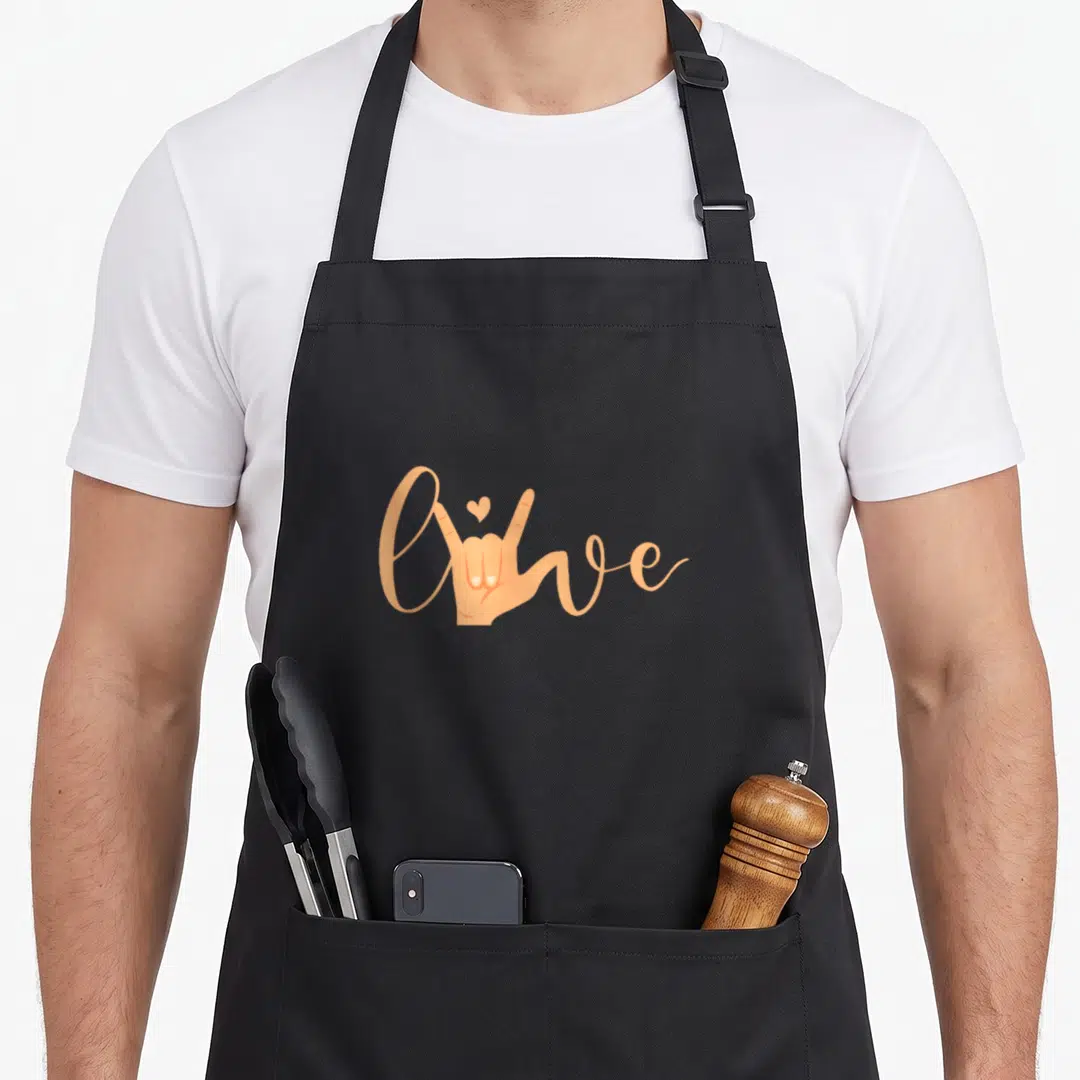
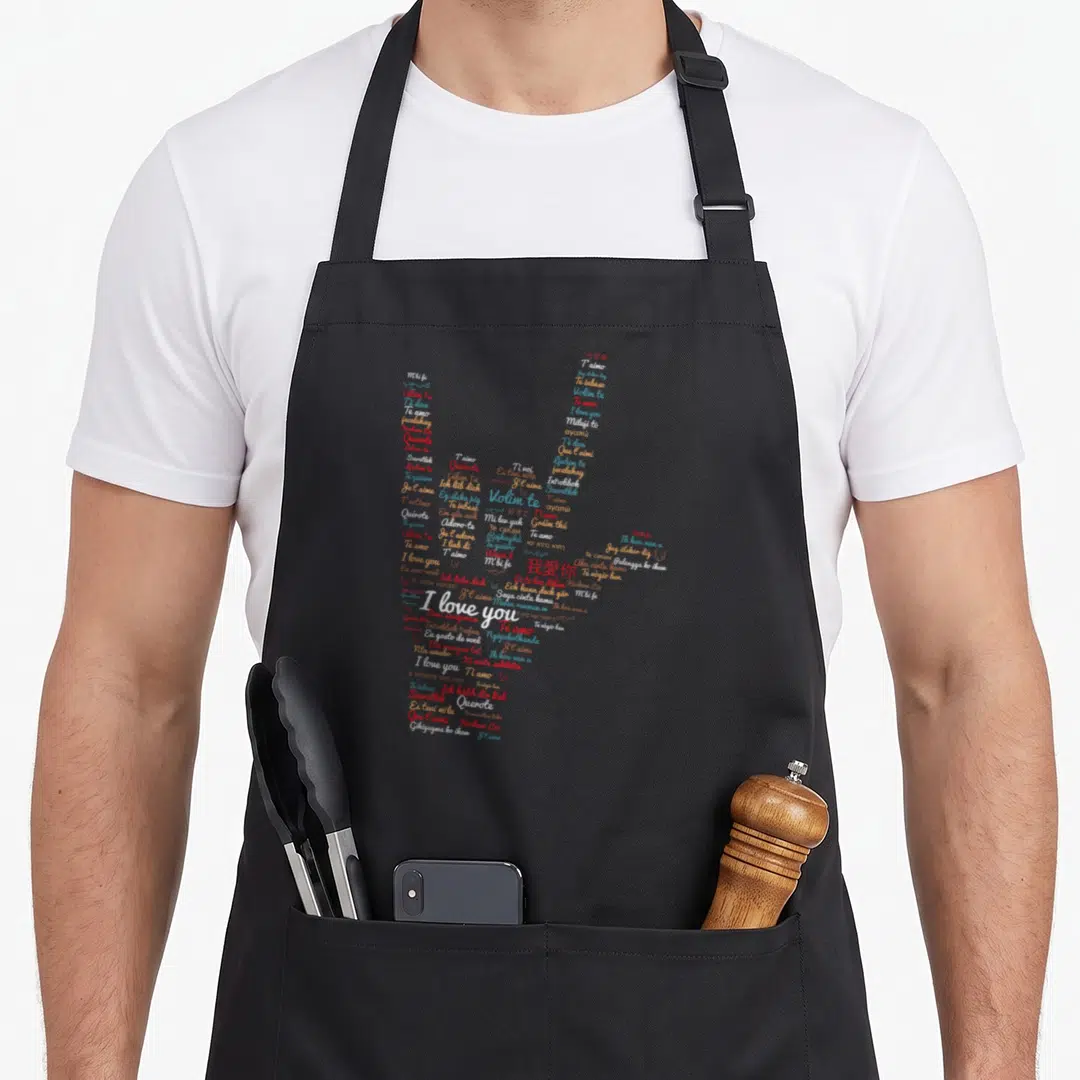
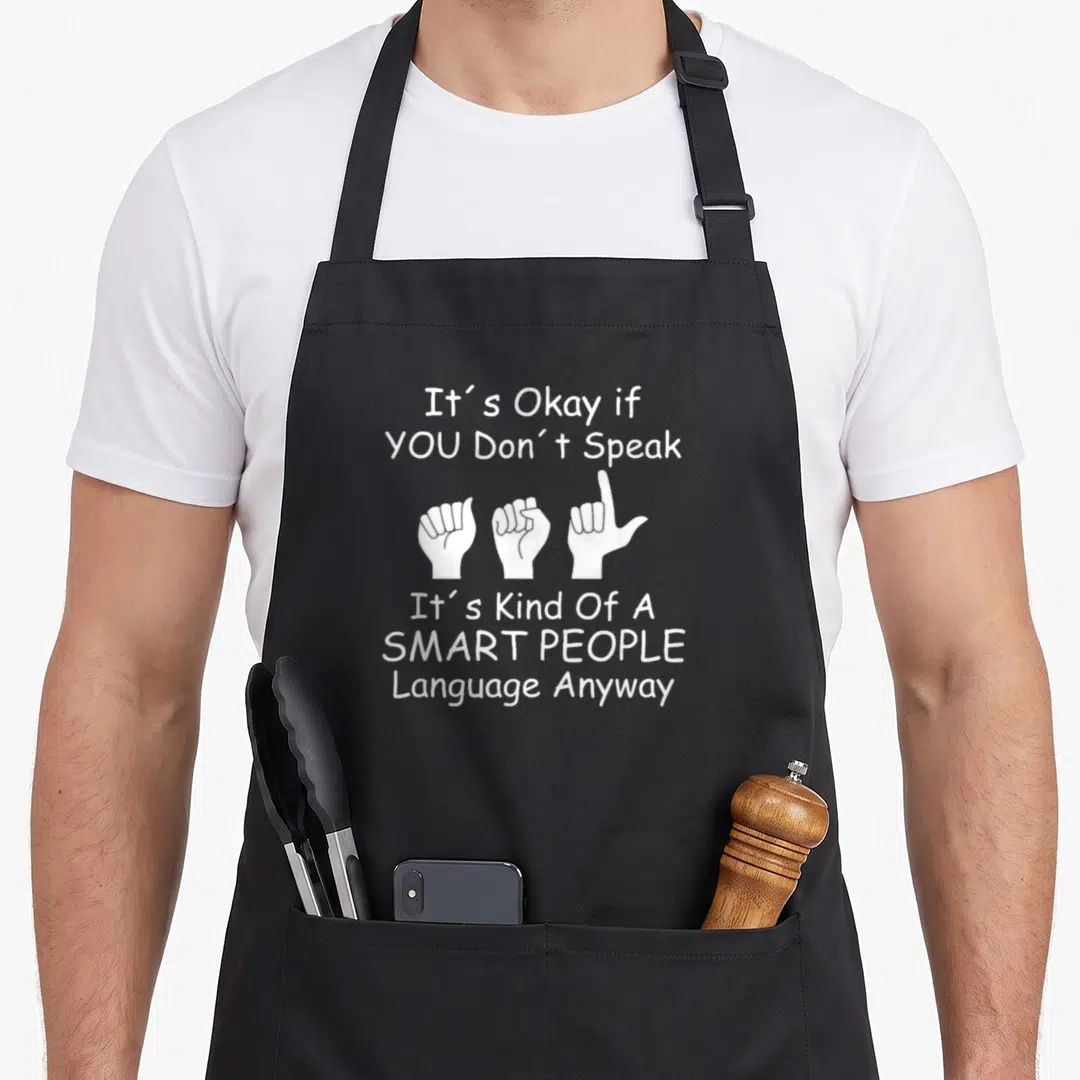
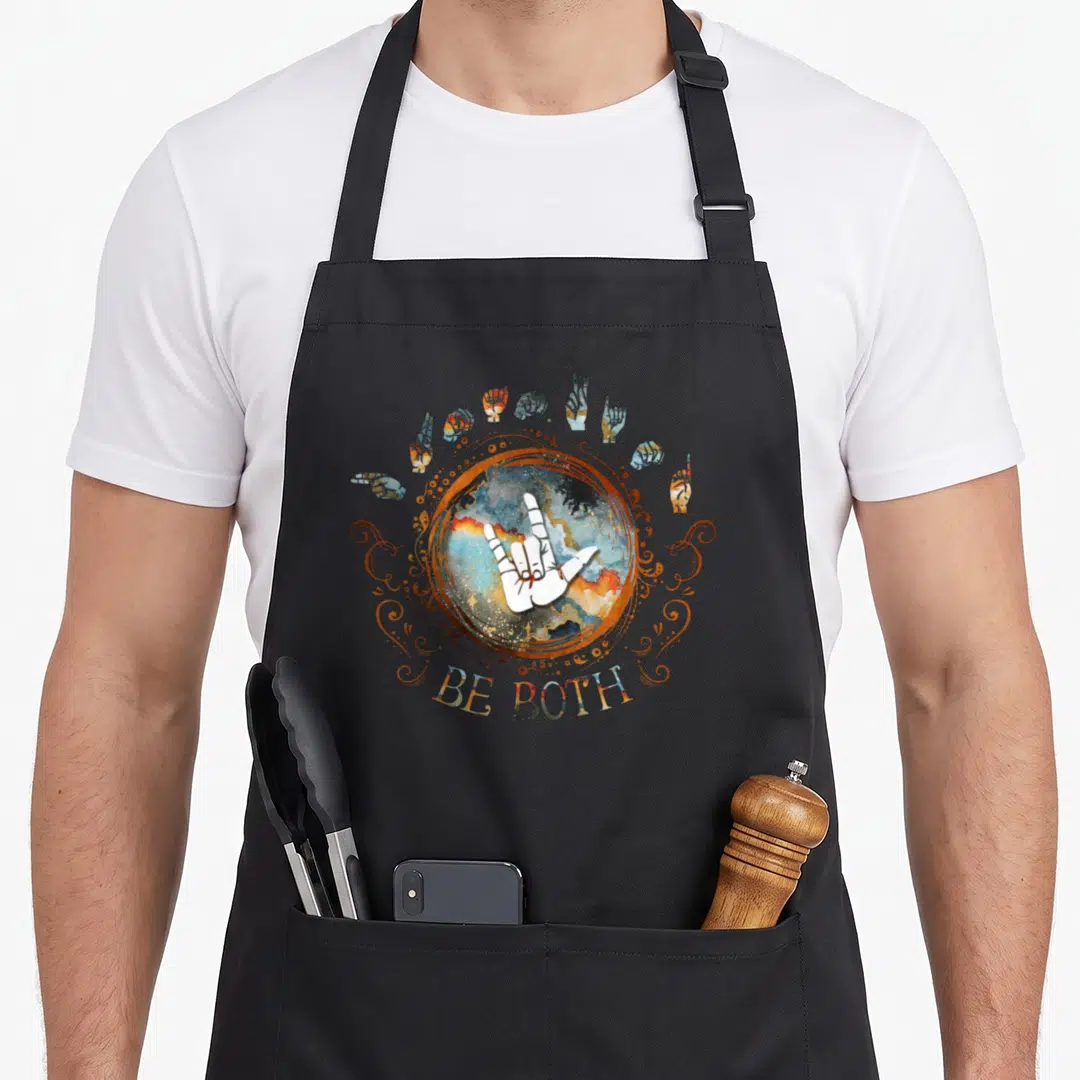
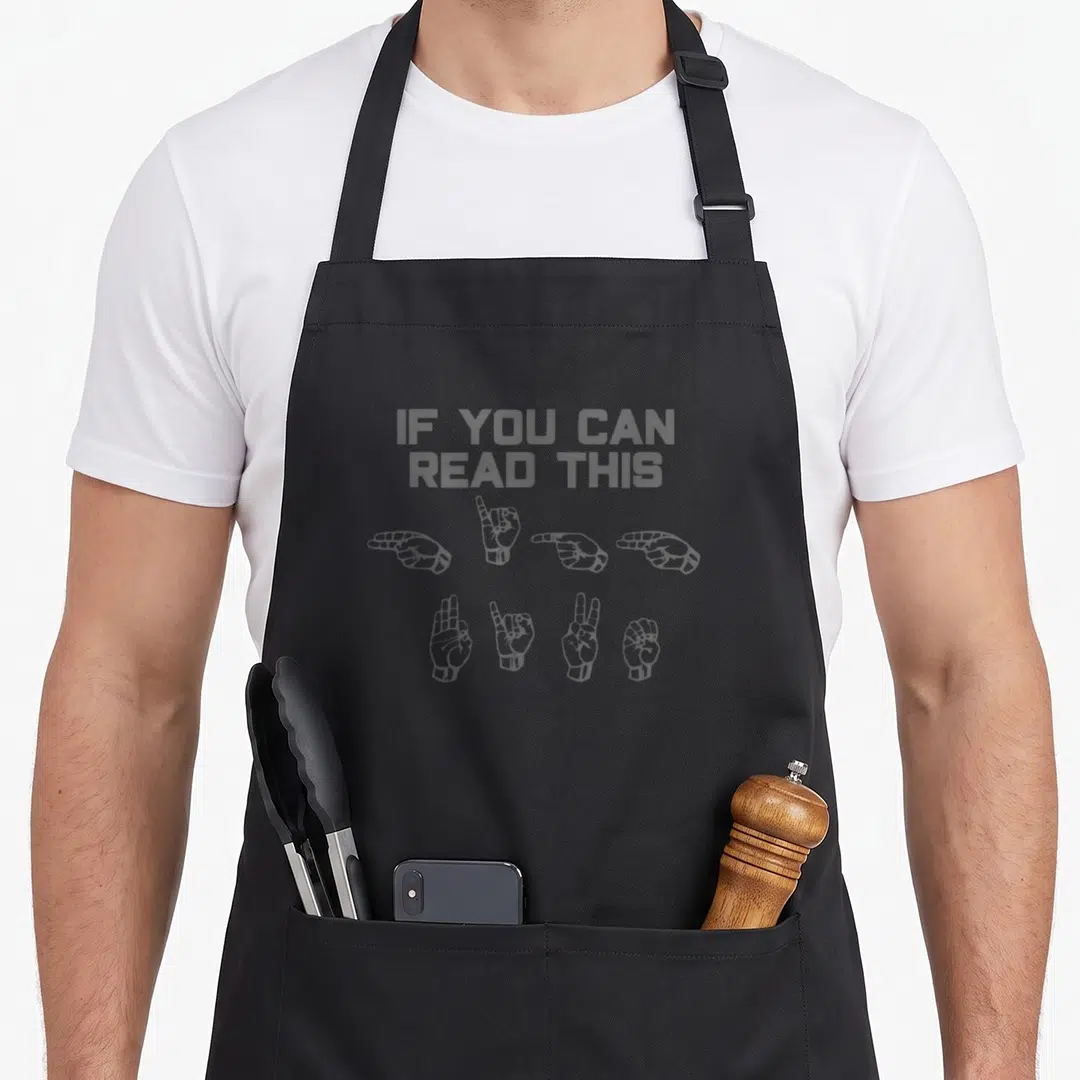
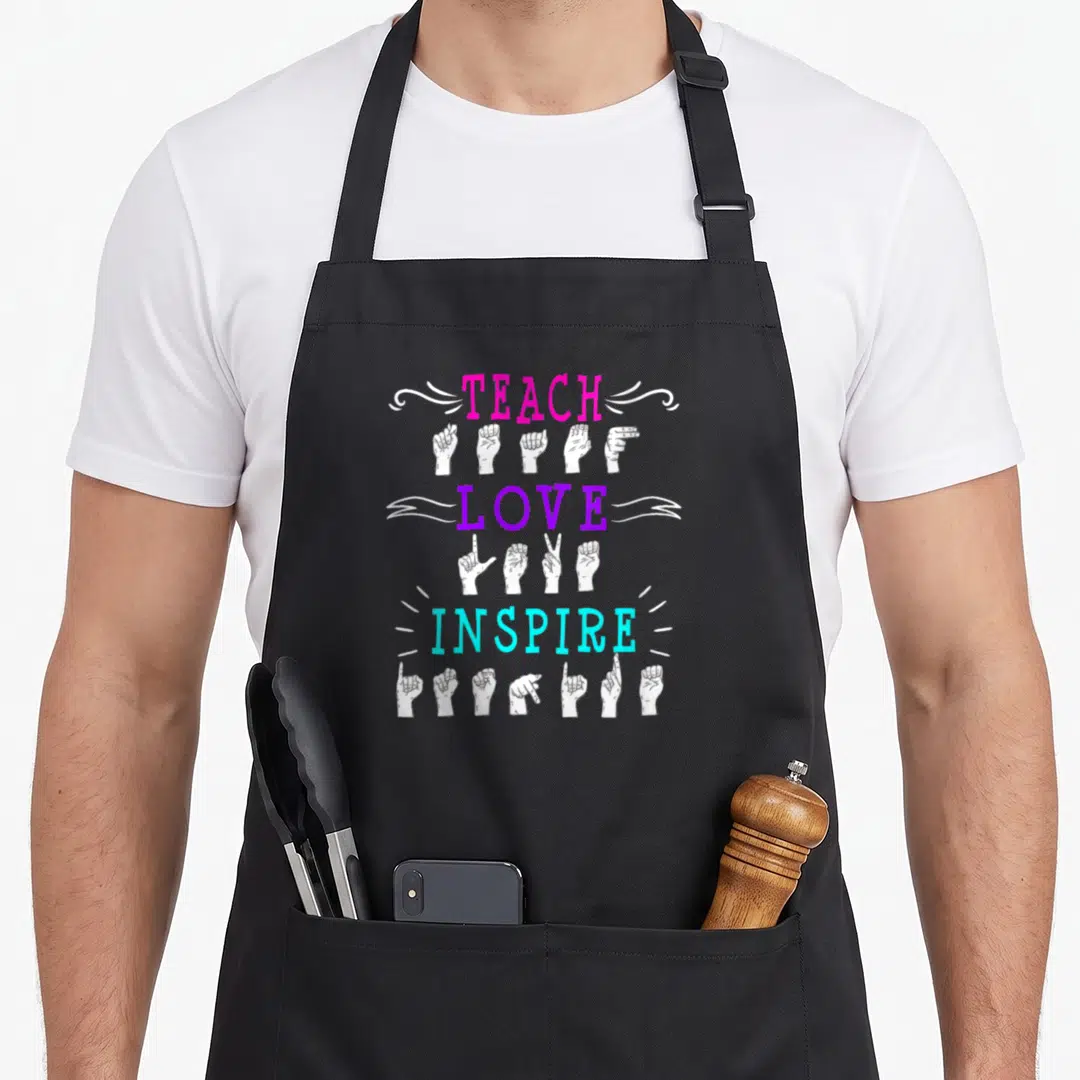
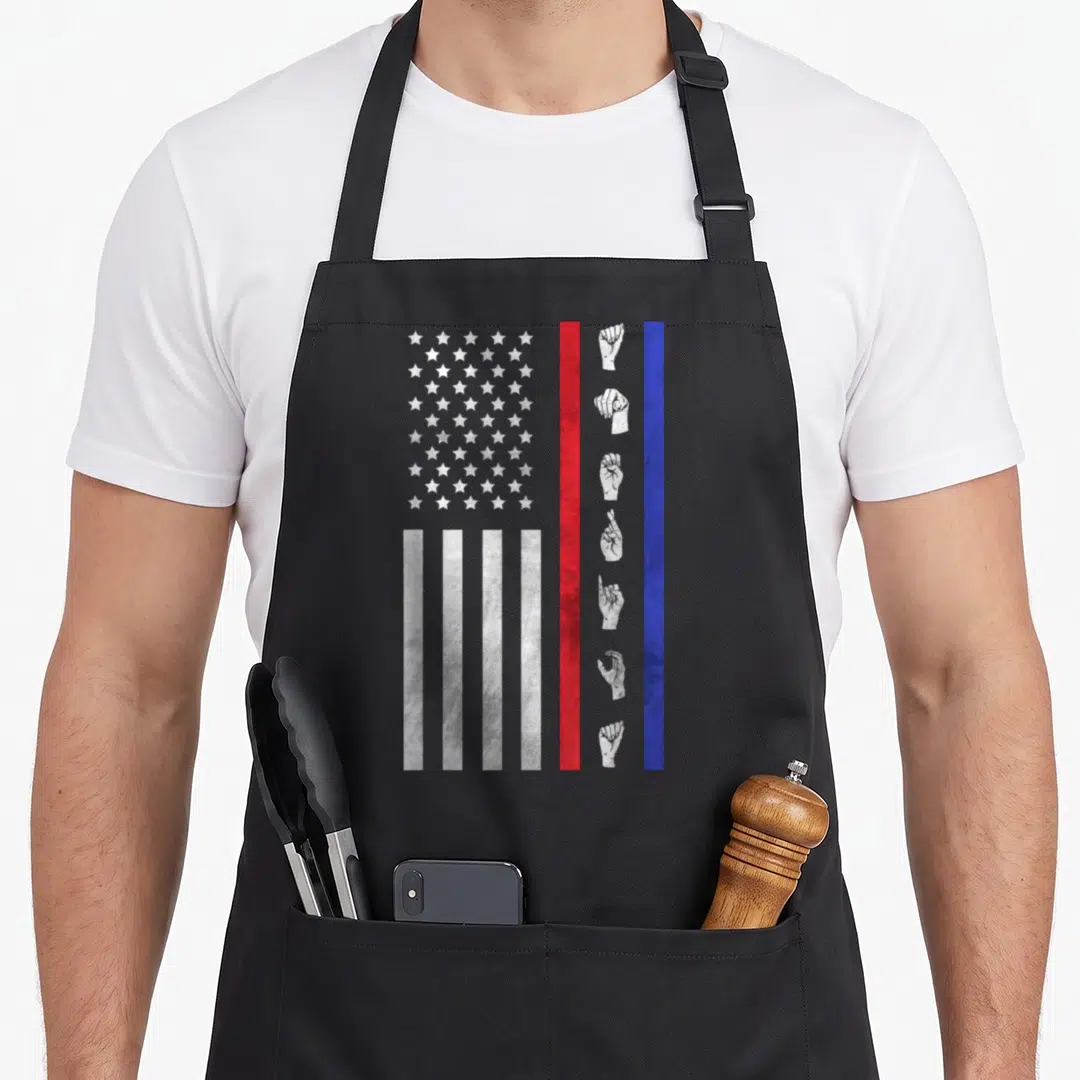
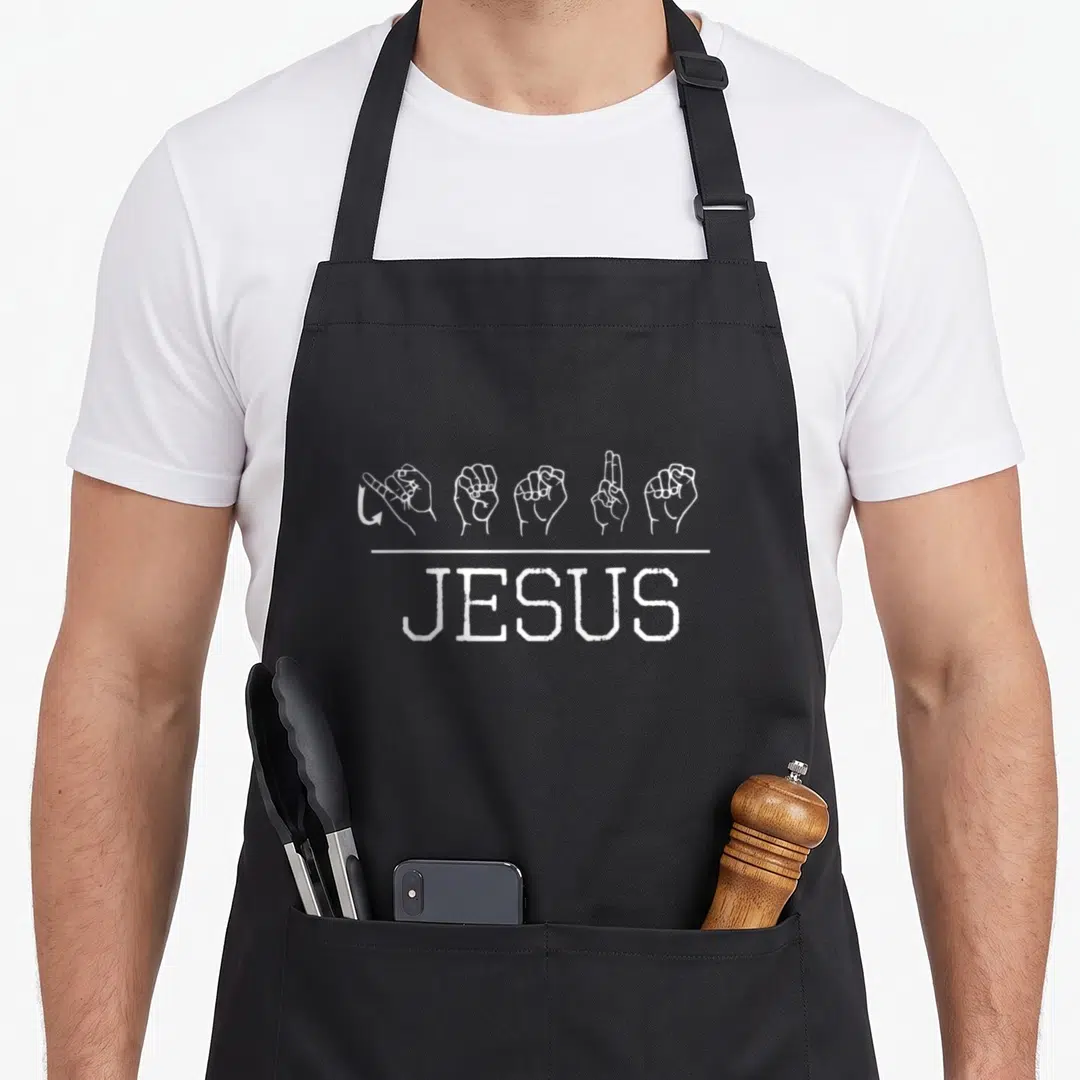
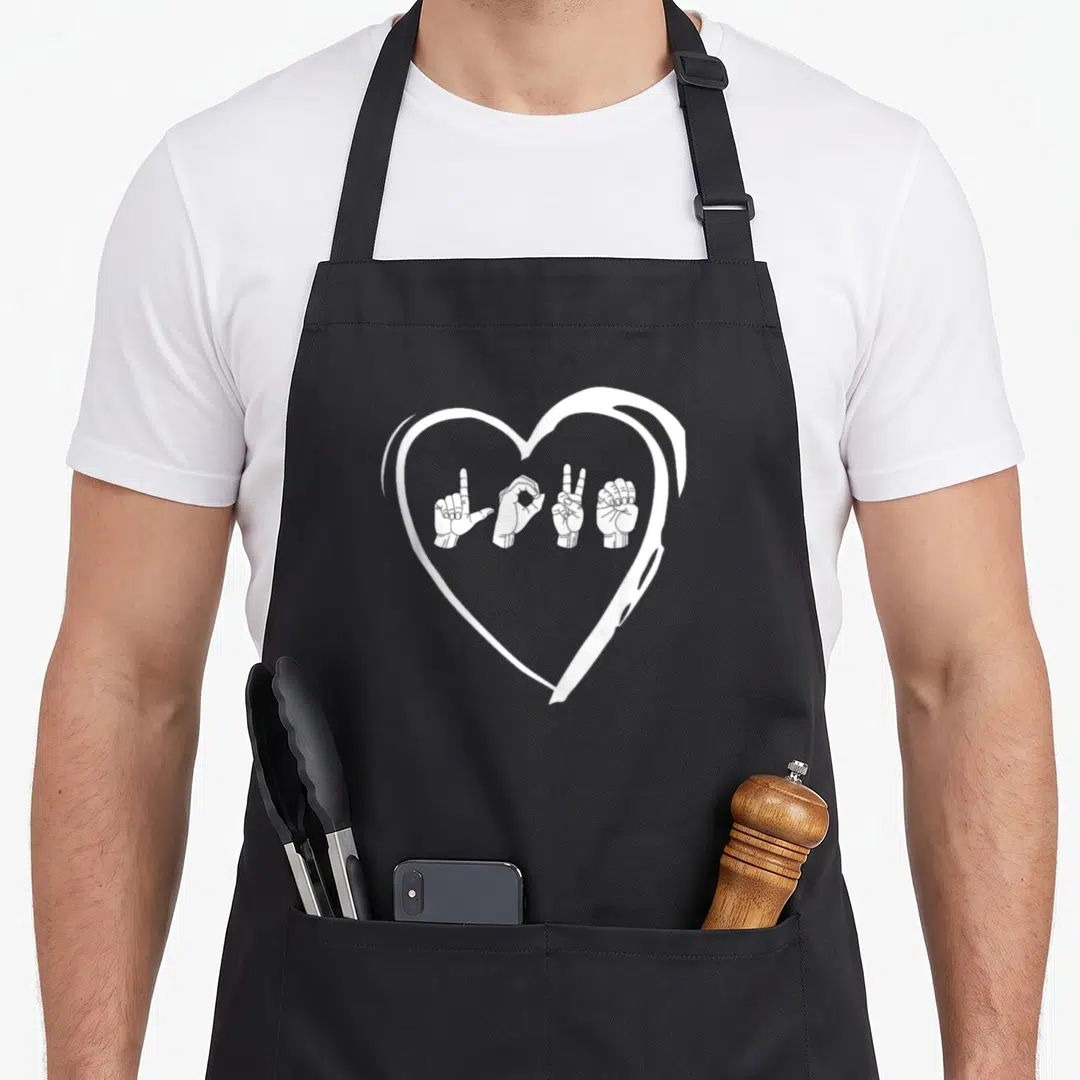
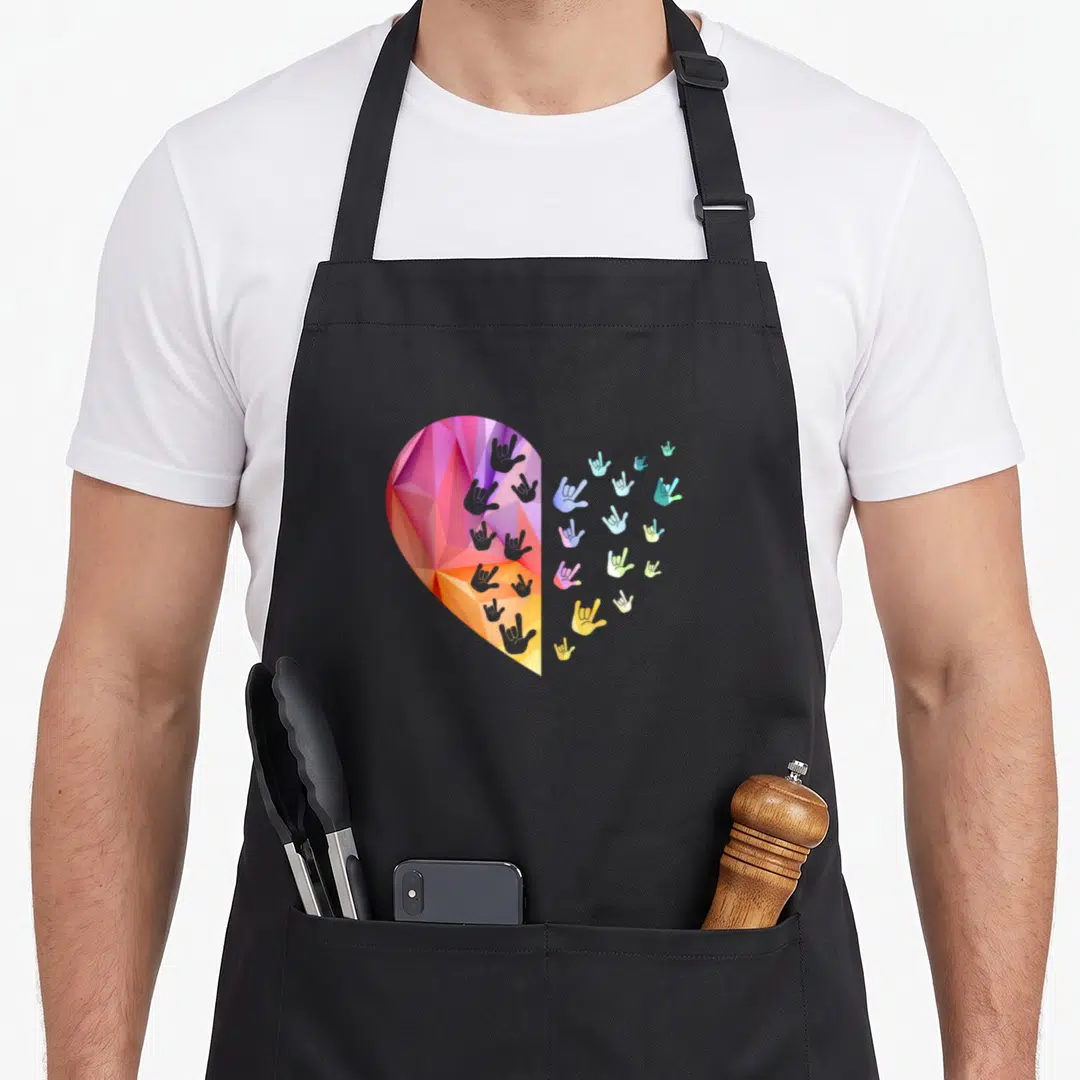
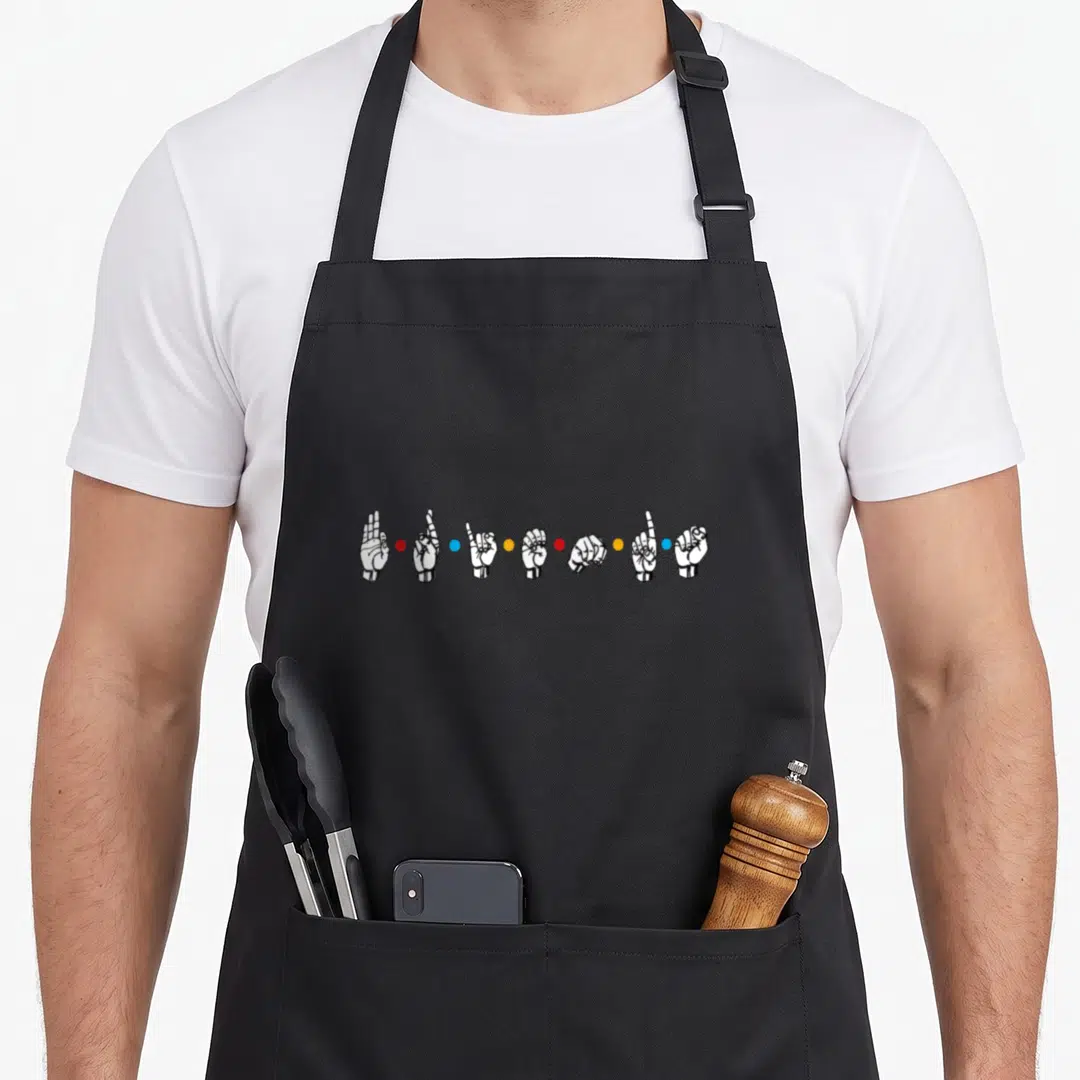
Wear a sign language apron to connect with the Deaf community or express your own journey. These designs speak directly to interpreters, family members of deaf relatives, and advocates who value accessibility. Each graphic serves as a visual talking point about inclusion. You will find patterns that reflect personal experiences rather than generic symbols. The collection honors those who use hands to bridge gaps between hearing and non-hearing worlds. It is for anyone who believes communication should be open and visible in daily life.
The 'kind asl' design features the specific handshape for kindness, reminding wearers to spread compassion. Another piece highlights the 'language' sign, celebrating linguistic diversity and cultural pride within the community. Inspirational prints encourage choosing kindness, reinforcing positive social interactions through everyday attire. Thanksgiving variations add seasonal gratitude to the message of connection. Funny interpretations make learning accessible while maintaining respect for the medium. Autism-focused designs acknowledge neurodiversity and the importance of clear, universal signals among friends and family.