

Tibetan
26 designs in this collection.
26 aprons









Who This Collection Is For
The tibetan apron serves those who seek to carry quiet reverence in their daily routines. It appeals to individuals drawn to ancient Himalayan traditions, offering a subtle way to express respect for Buddhist philosophy without overt declaration. Wearers often find solace in the visual language of compassion and wisdom embedded in these patterns. The design speaks to anyone valuing mindfulness, cultural depth, or the serene aesthetics of monastic life. It is not merely clothing but a wearable meditation on peace and enduring spirit.
What Is Inside This Collection
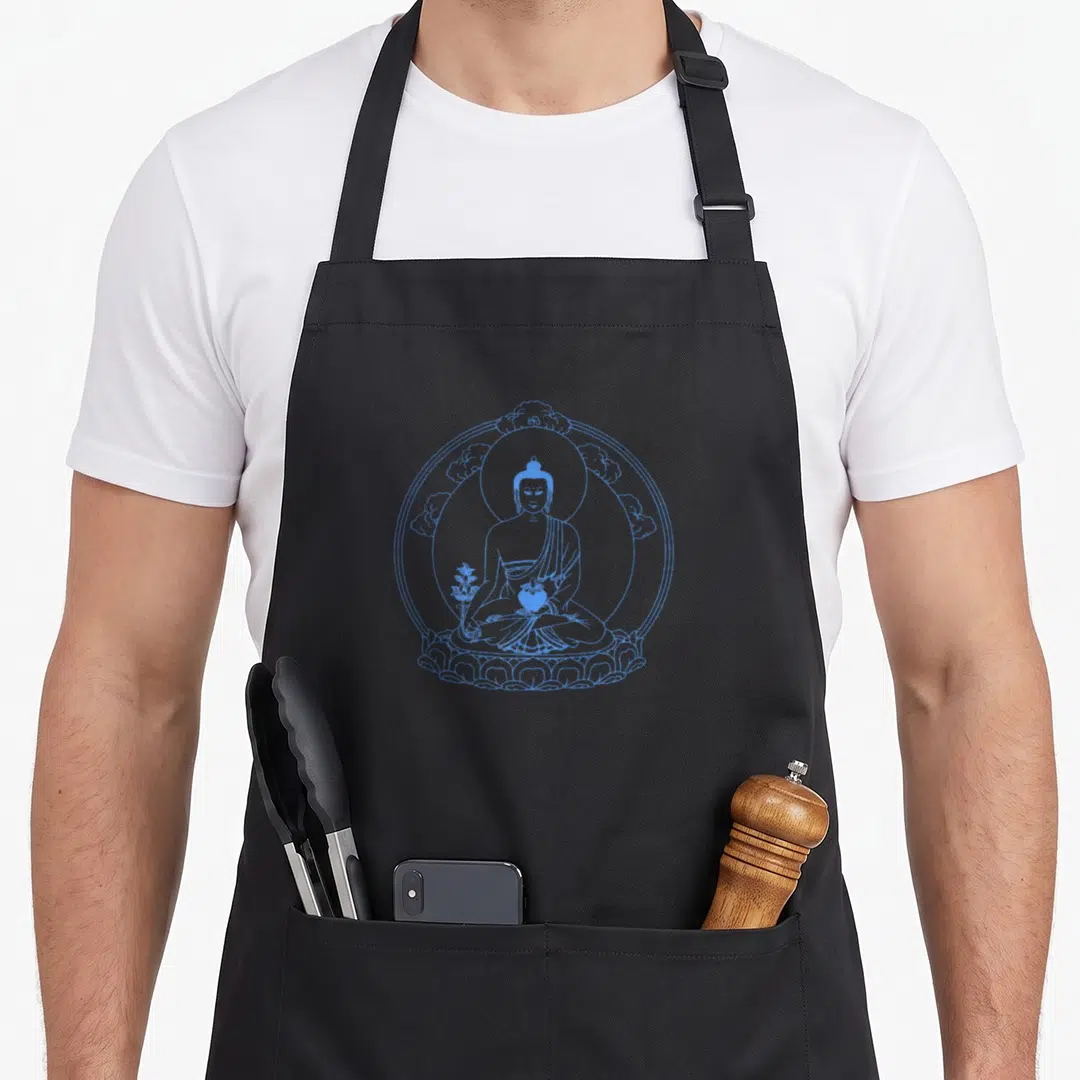
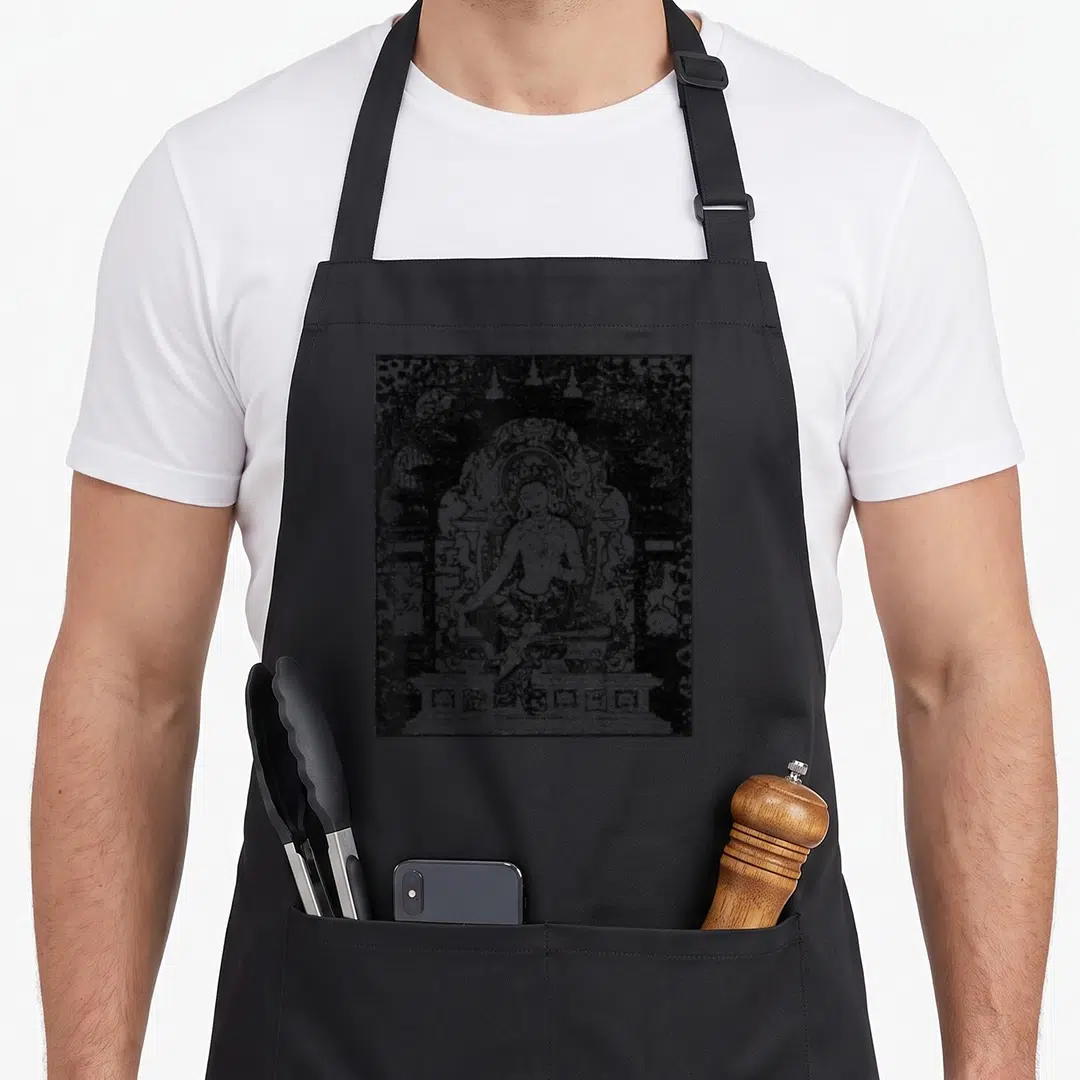
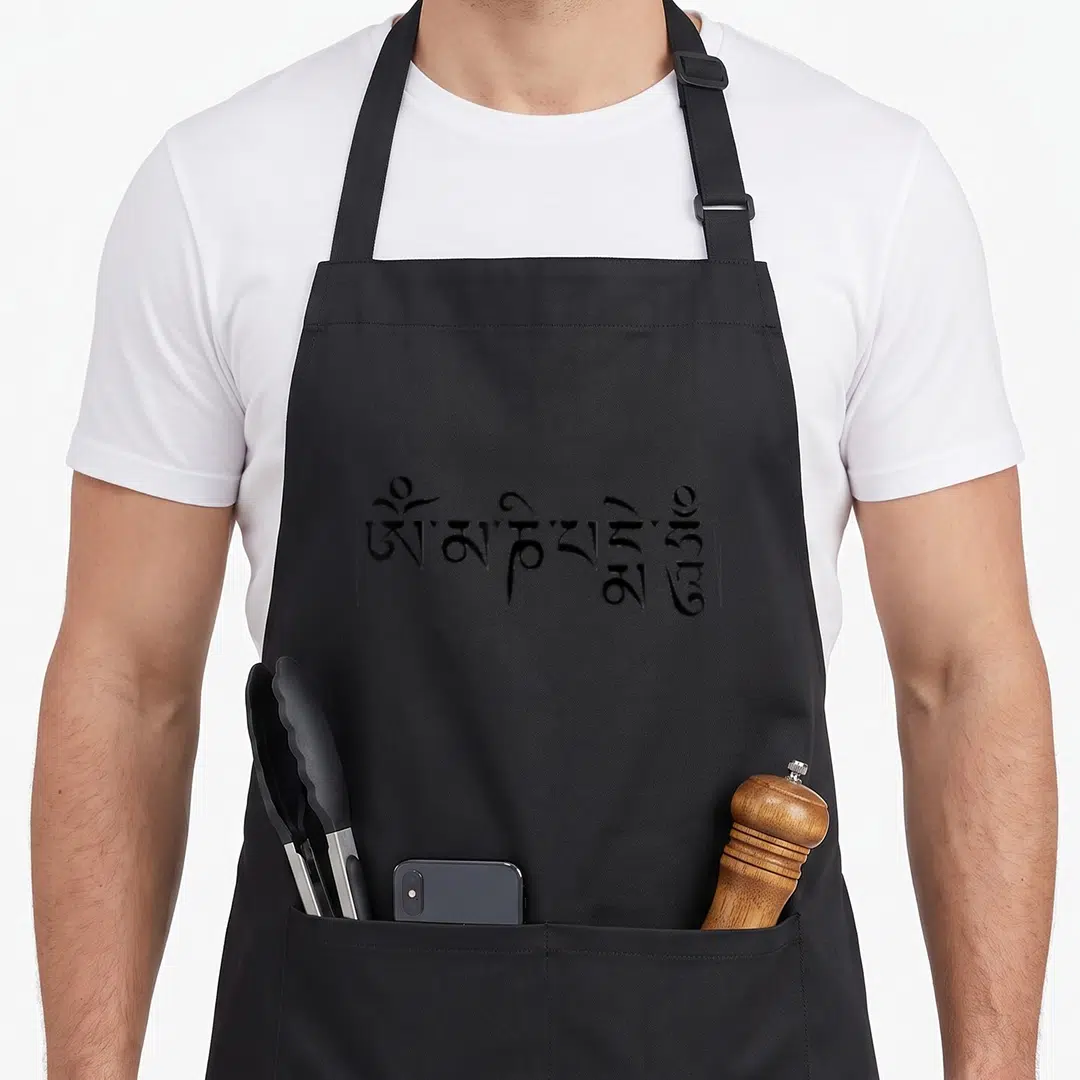
Inside this curated selection, you will find distinct motifs that capture essential elements of Tibetan culture. The buddha tibetan apron depicts the enlightened one as a symbol of inner potential. The mani tibetan apron features sacred mantras repeated in elegant script for protection. The prayer tibetan apron shows ritual objects used in devotional practices. The bon tibetan apron references indigenous pre-Buddhist beliefs, adding historical layers. Each piece translates profound spiritual concepts into accessible textile art for modern wearers.
Common questions
- Who typically buys these aprons?
- These aprons suit individuals interested in Buddhist philosophy, Tibetan history, or minimalist spiritual aesthetics. They are popular among practitioners seeking respectful attire for home use or creative workspaces where subtle symbolism enhances the environment without distraction.
- What symbols are featured?
- The collection includes depictions of Buddha figures, mantra inscriptions like Om Mani Padme Hum, traditional prayer wheels, and Bon religious iconography. These elements represent core tenets of compassion, wisdom, and protective energy central to Tibetan worldview.
- How do I choose a design?
- Select based on which aspect of Tibetan tradition resonates most with you. Choose the Buddha motif for enlightenment themes, the Mani design for mantra practice, or the Bon style for historical interest. Each design offers a unique entry point into understanding these rich cultural narratives.